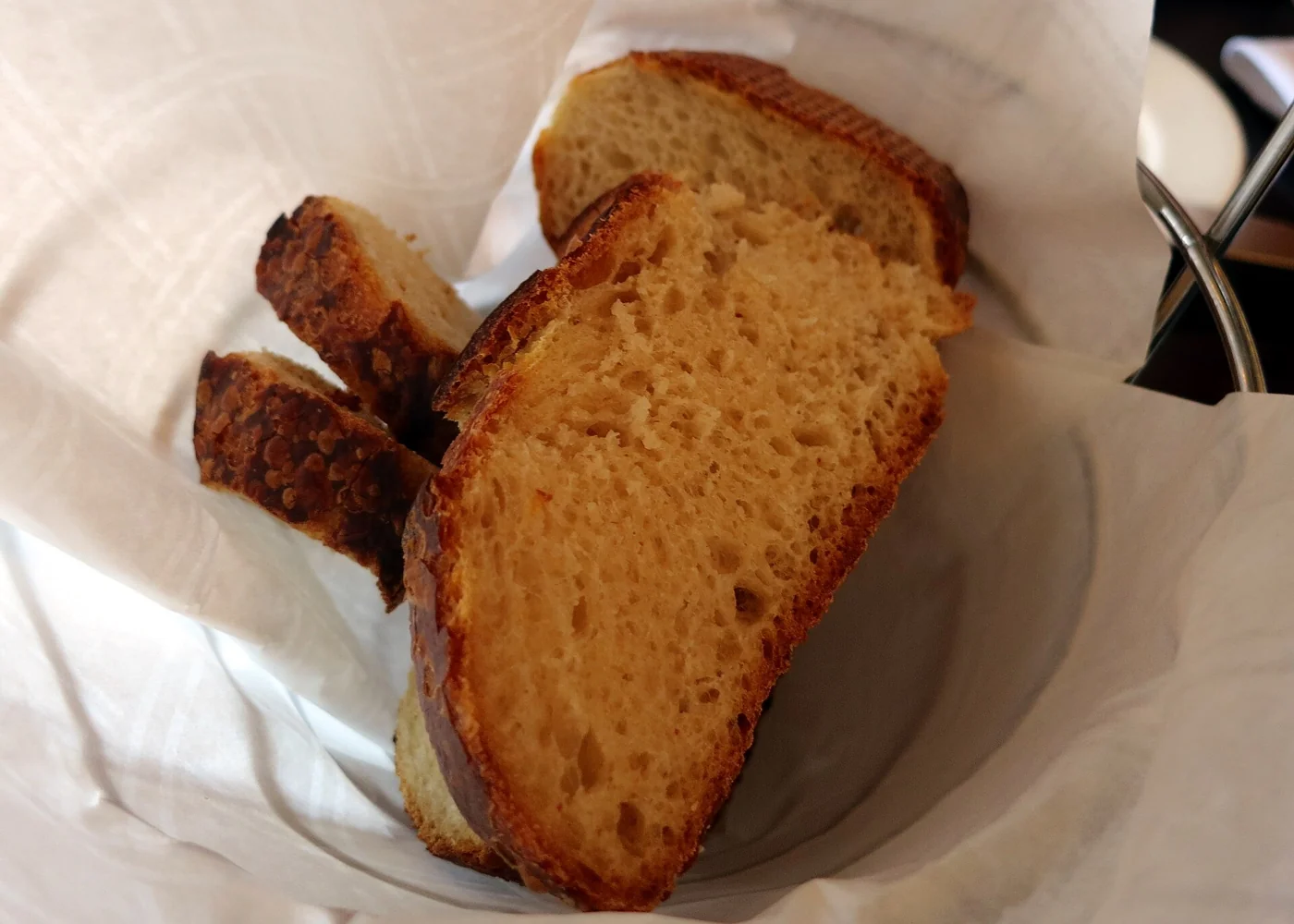
San Francisco sourdough is a good reason to make room in your day for a bakery. It is a less convincing reason to spend the whole day carrying several heavy loaves across the city. Choose one convenient stop, learn a little about the bread and buy something you will enjoy while it is still at its best.
If you want a comparison, keep it small. Taste two styles with a meal or bring one loaf home alongside something you already know. The point is to notice crust, texture and flavor, not to prove that a single bakery represents all of San Francisco.
Begin with the history, then make your own choice
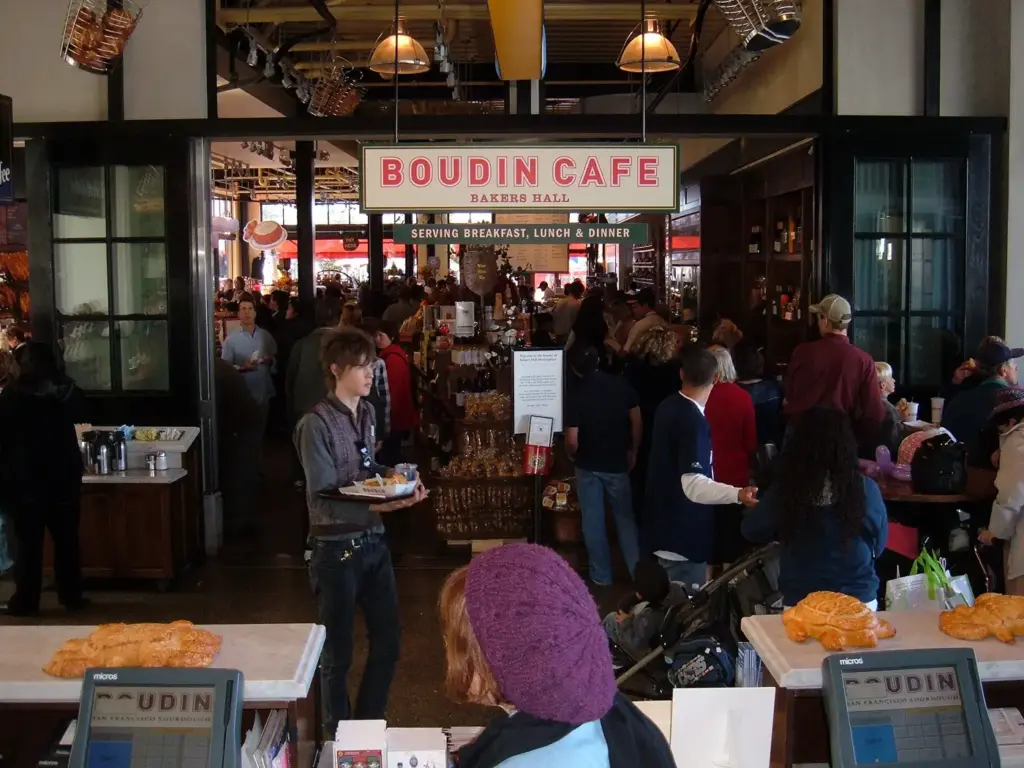
Boudin’s own history traces its San Francisco breadmaking to 1849 and describes its continuing use of a mother dough. That makes the bakery a useful starting point for understanding how sourdough became part of the city’s food identity. Read the story as the business’s account of its heritage, then decide which of its locations fits your itinerary.
You do not need to order the most photographed item. A small bread purchase or a meal that includes the bread can be a better introduction than buying a large loaf you will struggle to carry. Ask what is available that day and how it is best served.
Compare a different breadmaking approach
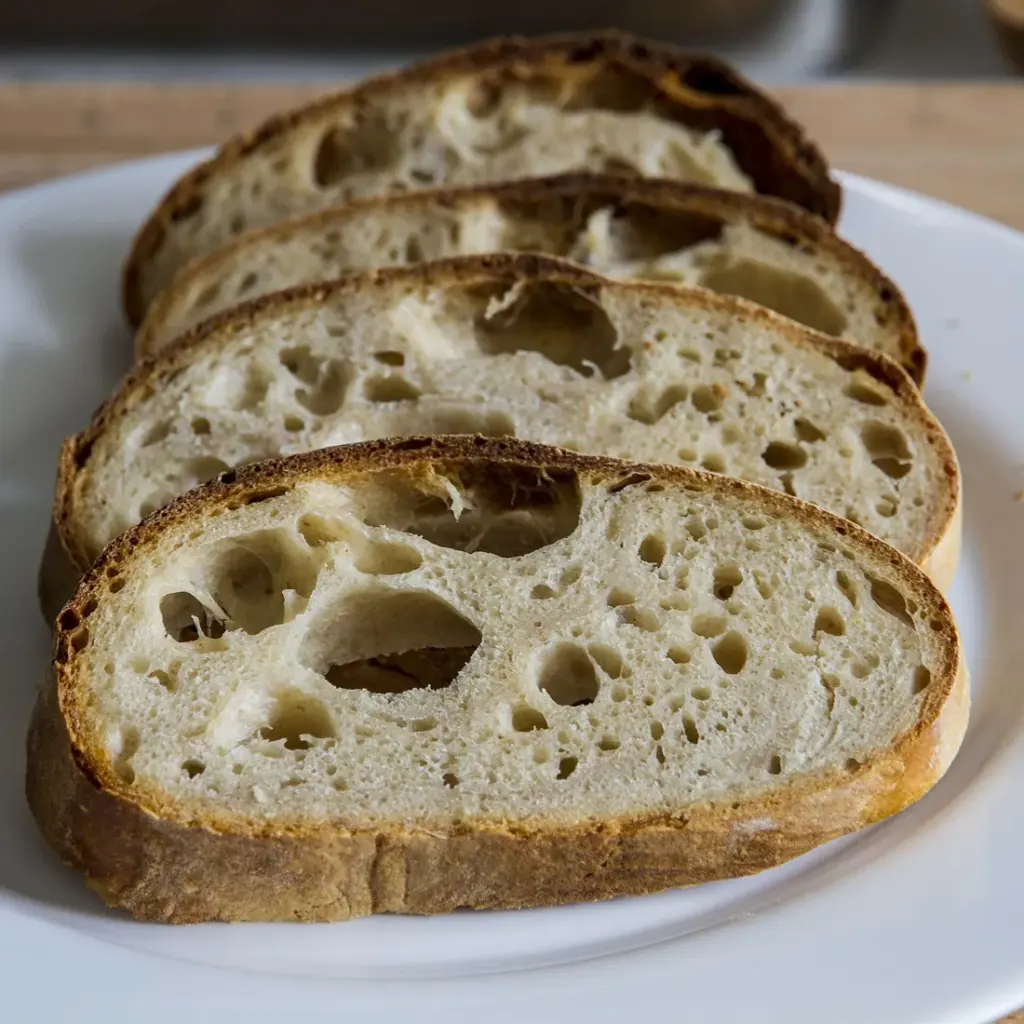
Acme Bread offers another Bay Area reference point, with products including Pain au Levain. Its official website provides retail information and describes its range. If you are already visiting the Ferry Building, use the current marketplace directory to plan a bread stop there rather than adding a separate journey purely for a comparison.
A tasting becomes more useful when you ask a specific question. Do you prefer a deeply colored crust or a softer bite? Are you looking for bread to tear and share, slice for sandwiches or serve with a meal? Those practical preferences matter more than a broad claim that one loaf is the city’s best.
Taste simply
Try a small piece on its own before adding toppings. Notice the crust, the crumb and how the flavor develops as you chew. Then try it with the food you actually plan to eat. A bread that feels too assertive by itself may work well alongside a rich dish, while another may be especially pleasant with something simple.
When sharing, keep the comparison friendly and descriptive. There is no need to agree on a winner. Ask each person what they would use the bread for at home. That turns the tasting into a practical conversation and helps you decide which loaf, if any, is worth carrying through the rest of the day.
Buy according to the rest of your itinerary
A loaf is easier to manage at the end of a food outing than before a long museum visit or hill walk. Bring a bag that will not squash it and ask the bakery about storage. If you are traveling onward, consider the space in your luggage and how soon you will eat the bread.
For a meal by the water, pair this plan with our Ferry Building food guide. For a park outing, see the picnic food guide. Bread is a flexible part of either day, but it does not have to become the only reason for the trip.
Leave room for the neighborhood
A bakery visit is also an opportunity to notice the surrounding area. Have a coffee, browse a shop or take a short walk before returning for your purchase. Our coffee neighborhood guide offers ways to give that pause a sense of place.
Use the bakery’s current location and menu pages for opening details, and avoid basing your day on a specific product unless you have confirmed it is available. A worthwhile sourdough stop can be as simple as one good loaf shared over lunch. The memory should be the meal and the city around it, not the effort of protecting a bag of bread for six hours.
If you are taking bread to someone else, ask what kind of meal they have in mind before choosing the loaf. A gift intended for breakfast may call for a different size or texture than one meant for a shared dinner. That simple conversation can make the purchase more useful and prevent the souvenir from becoming something the recipient feels obliged to finish.