The Embarcadero is a useful place to plan a walk that can grow or shrink with the day. Begin at the Ferry Building, choose a direction and give yourself a clear stopping point. You can make the waterfront the whole outing or use it to connect food, views and an indoor attraction.
This Embarcadero walking guide favors a modest northbound route with optional extensions. It is not a challenge to reach every pier. A comfortable walk with time to sit and look across the bay is often a better introduction than a long route completed with tired feet.
Start with the Ferry Building
Use the Ferry Building as your orientation point. Check its current visitor information if you want to include a particular shop or meal. Arriving hungry without a plan can turn a short starting stop into the whole afternoon, which is perfectly fine if you allow the itinerary to change.
Our Ferry Building food guide helps you choose a few purchases without overloading your bag. If the walk is the main event, eat first or buy something easy to manage. Save bulky gifts and delicate food for the end rather than carrying them along the waterfront.
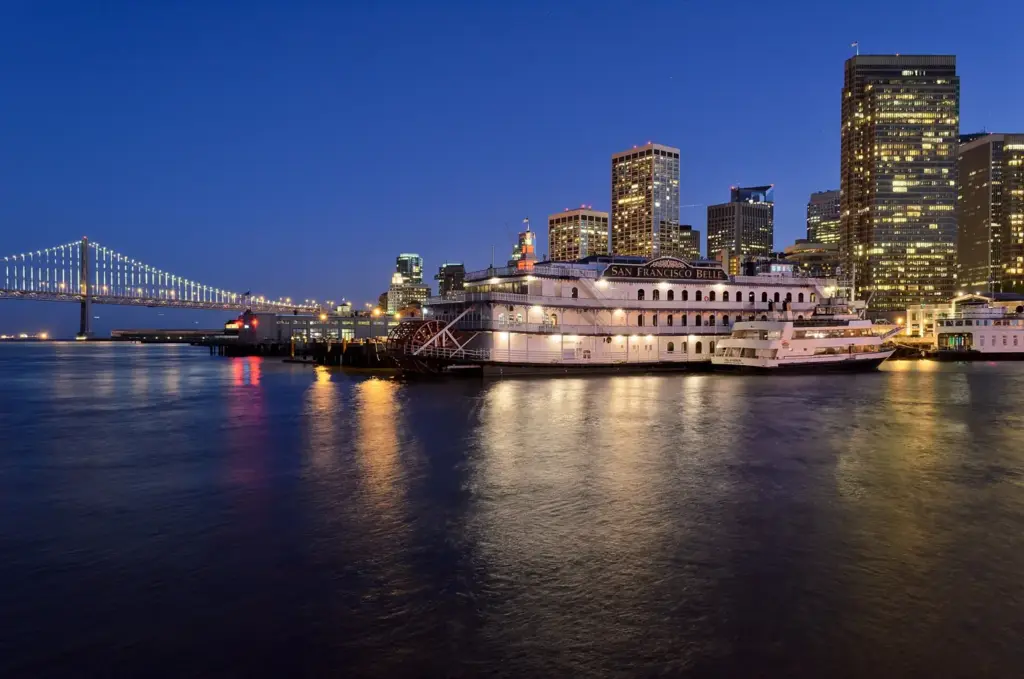
Follow the promenade at a comfortable pace
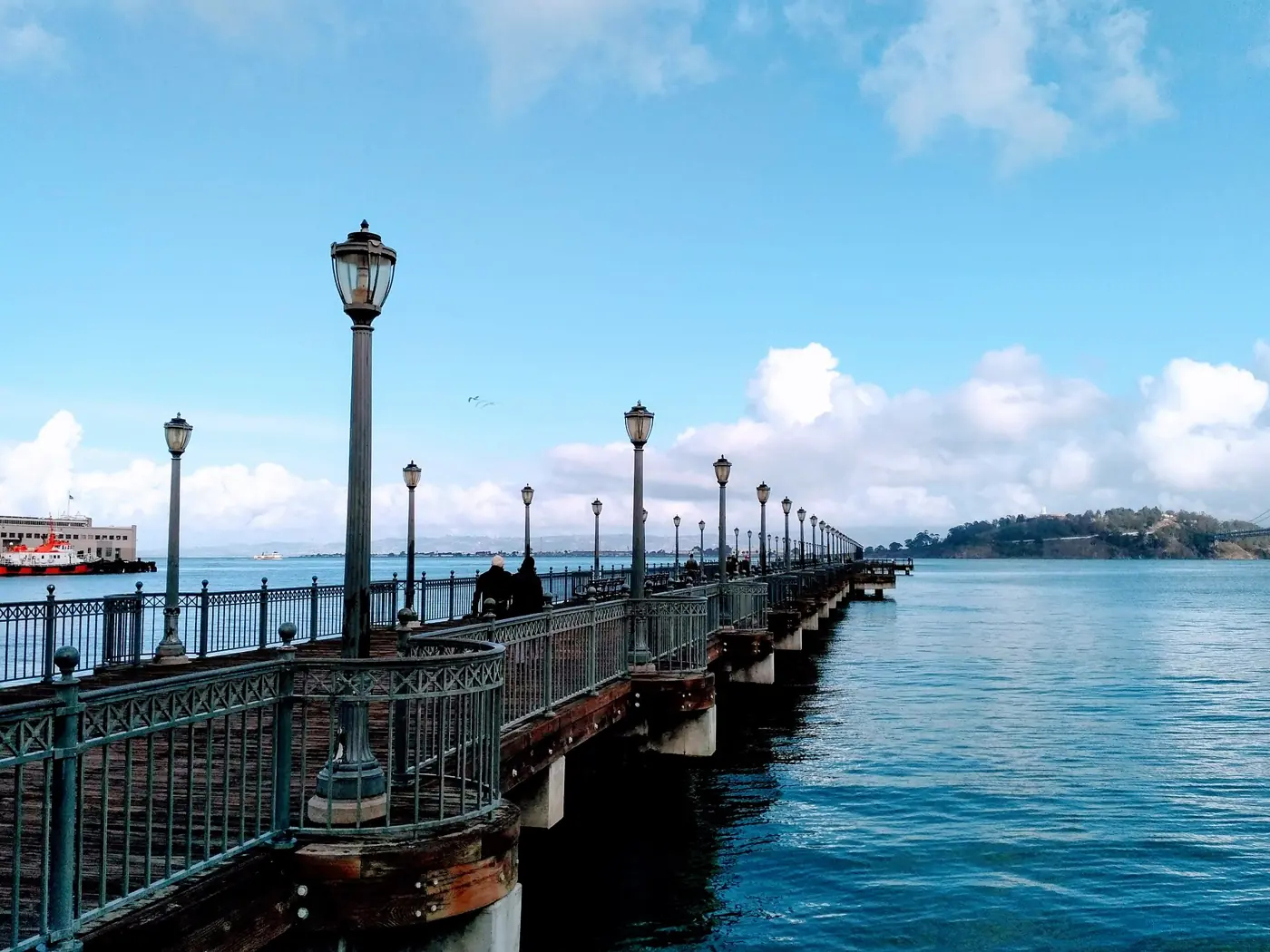
The Port of San Francisco’s getting-around page is useful for understanding the waterfront’s travel options. As you walk, stay attentive to other users and changing access points. A scenic promenade is also a route for people commuting, exercising and reaching businesses or ferry services.
Choose several short pauses instead of one distant goal. Look back toward the city as well as out over the water, and notice how the working waterfront sits alongside public spaces. When you stop for a photograph, move out of the main flow and check that you are not blocking an entrance or someone else’s route.
Make Pier 15 the optional indoor anchor
The Exploratorium at Pier 15 can turn the walk into a full day. If you plan to visit, book and schedule it as the main attraction rather than an impulsive addition after a long morning. Interactive exhibits reward time, and a tired group may not enjoy them as much as a fresh one.
If you are not going inside, simply use the area as a decision point. You can continue a little farther, turn back or move toward your next transport connection. Our museum guide helps compare the Exploratorium with other indoor choices when the weather is uncertain.
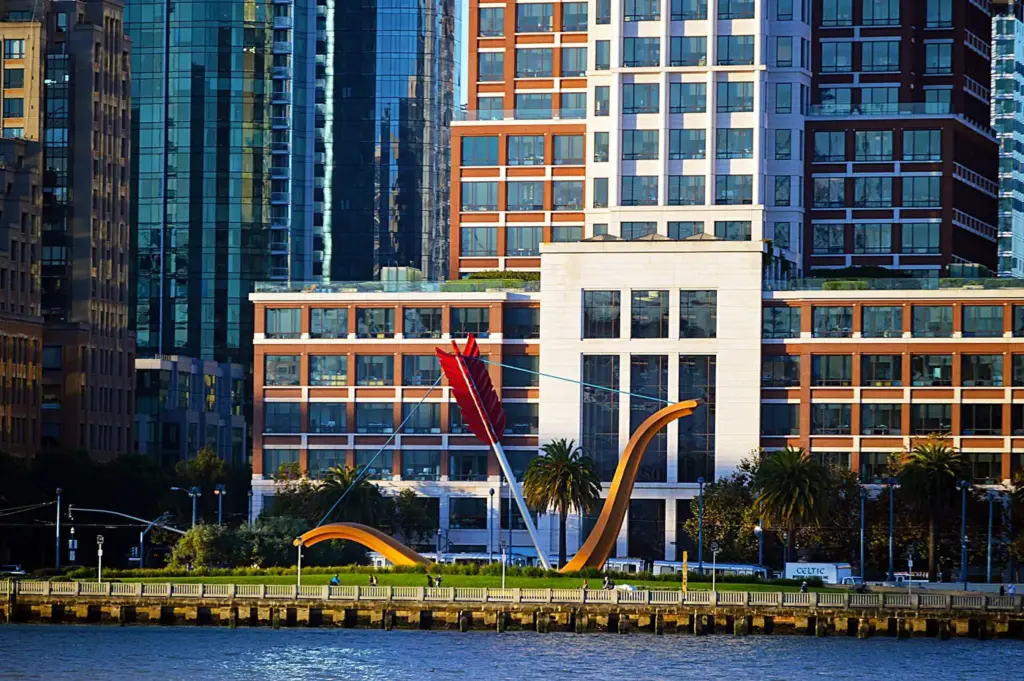
Plan the pause as carefully as the walk
Bring a layer for the exposed waterfront and take a break before everyone feels tired. A drink or snack can be a pleasant part of the outing, but do not assume every stretch has exactly the seating or facilities you need. Check your chosen indoor stop beforehand if it is essential to the plan.
For a group, agree on the next meeting point before anyone heads off to take photographs or buy food. A simple landmark is easier to use than a vague instruction to meet somewhere along the pier. Keep the day’s pace comfortable for the slowest walker rather than making them feel responsible for a delayed schedule.
Finish where the day naturally ends
An out-and-back route is easy to understand, but you do not have to return on foot to the Ferry Building. Check SFMTA’s trip planner from your finishing point and choose the most convenient onward journey. If a ferry is part of the day, confirm that operator’s schedule separately.
Leave space for a final look across the water before moving on. A waterfront walk is partly about the intervals between attractions, and those intervals disappear if every minute is assigned. If you finish wanting more, browse our things-to-do guides and choose another outing for a different day rather than extending this one beyond what feels comfortable.
For a shorter version, choose a single waterfront pause beyond the Ferry Building and return for a meal. For a longer version, make the museum the midpoint and finish nearby. Deciding between those two shapes before you start can prevent the common mistake of walking farther than intended and then discovering that the return journey feels much longer than the outward one.