A film festival gives you a reason to see something outside your usual recommendations and then talk about it while the experience is still fresh. San Francisco offers several ways into that world, from international features and documentaries to LGBTQ+ cinema and independent filmmaking. You do not need an all-access pass or a packed schedule to participate. One carefully chosen screening, a little context, and time afterward can make a richer first festival visit than a day spent rushing between theaters.
Find the festival that fits your curiosity
SFFILM presents the San Francisco International Film Festival and other film programming. Frameline centers LGBTQ+ cinema, while SF IndieFest presents several festivals, including its independent film and documentary programs. Start with the organizations’ current websites rather than a generic calendar listing. Their program descriptions help explain the work being shown and the audience experience. If you are new to festivals, choose by subject or storytelling style instead of assuming you need to recognize a director’s name to enjoy the film.
Read the full screening listing
A title and short synopsis are only part of the information you need. Look for running time, language and subtitles, content notes, venue, format, and any announced discussion afterward. Confirm that the screening is in person if that is what you want; a festival may offer different formats or viewing windows. If accessibility features such as captions or audio description matter, check the specific screening information and ask the organizer about anything unclear. Do not infer that every presentation of the same film offers identical access features.
Build around one must-see film
Choose your essential screening first, then add a second only if the timing remains comfortable. Allow for introductions, a discussion, exiting the theater, and travel to the next venue. Two films that appear close together in the schedule may not fit if they are across the city. For a first visit, staying at one venue or within one neighborhood can be the calmer option. Leave a meal break long enough to eat without watching the clock, especially if one of your selections is a longer feature.
Understand tickets and standby rules
Read the festival’s instructions about admission, arrival deadlines, passes, and standby lines. A pass can have reservation requirements, and a ticket may still require you to arrive by a particular time. Buy through the official ticketing link supplied by the festival rather than an unrelated resale listing. Keep your confirmation and the actual entry ticket easy to access. If a screening is sold out, use the organizer’s stated standby process instead of assuming that turning up at the door will secure a seat.
Let the venue shape the outing
San Francisco film events use different theaters and cultural spaces, and the venue can change from one edition to another. Confirm the address printed on your ticket before planning dinner or transit. If you have mobility needs, ask about the entrance, seating, restrooms, and any steps inside. Choose a nearby place to meet friends before the film so late arrivals do not turn into a complicated search. A neighborhood café afterward provides room to compare reactions without holding up the next audience at the theater exit.
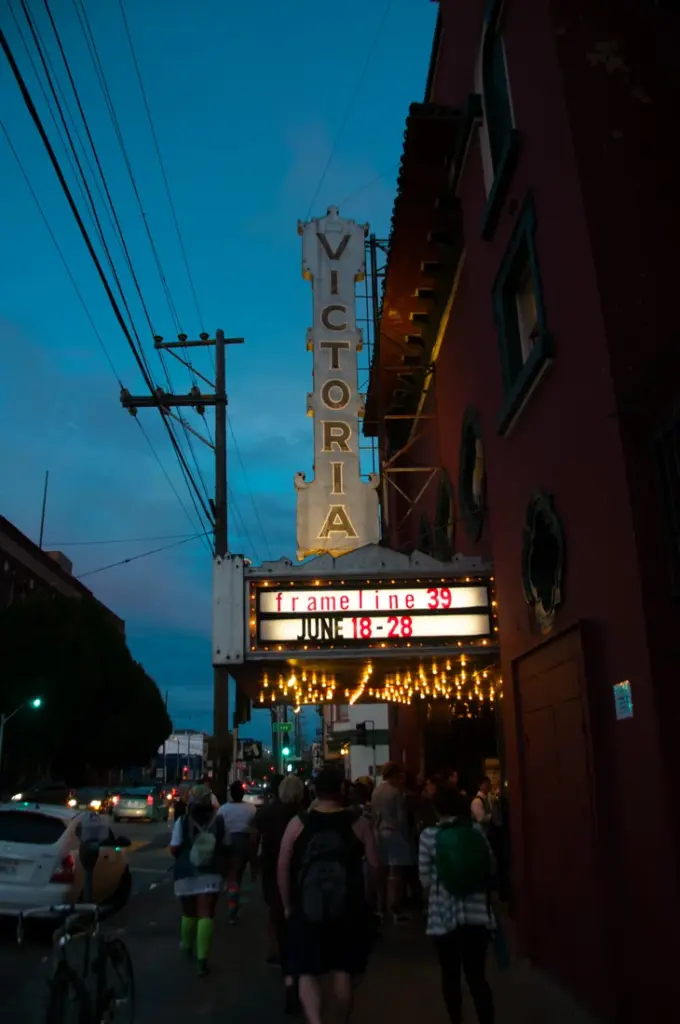
Make room for the conversation
When a filmmaker discussion is announced, consider staying rather than scheduling another activity immediately after the credits. Questions about a particular choice, research process, or collaboration often lead to more interesting answers than a long statement about your own interpretation. Keep the question brief so other audience members can participate. If there is no discussion, talk with your companions afterward or write down what stayed with you. Festivals are especially rewarding when you give an unfamiliar film time to settle before moving on.
Choose a sustainable festival pace
A weekend of screenings can sound appealing until you have spent every meal in a queue. Start with fewer films and add more only if you still have the energy and time. Check the journey home for evening sessions, and keep the next morning flexible after a late finish. Follow the organizer for future programs rather than trying to see everything at once. The most useful outcome of a first festival day may be discovering a filmmaker, theater, or series you want to keep following throughout the year.
Keep exploring
For another cultural evening, compare After Dark and NightLife. Plan your trip to the venue with our Muni and BART guide.