
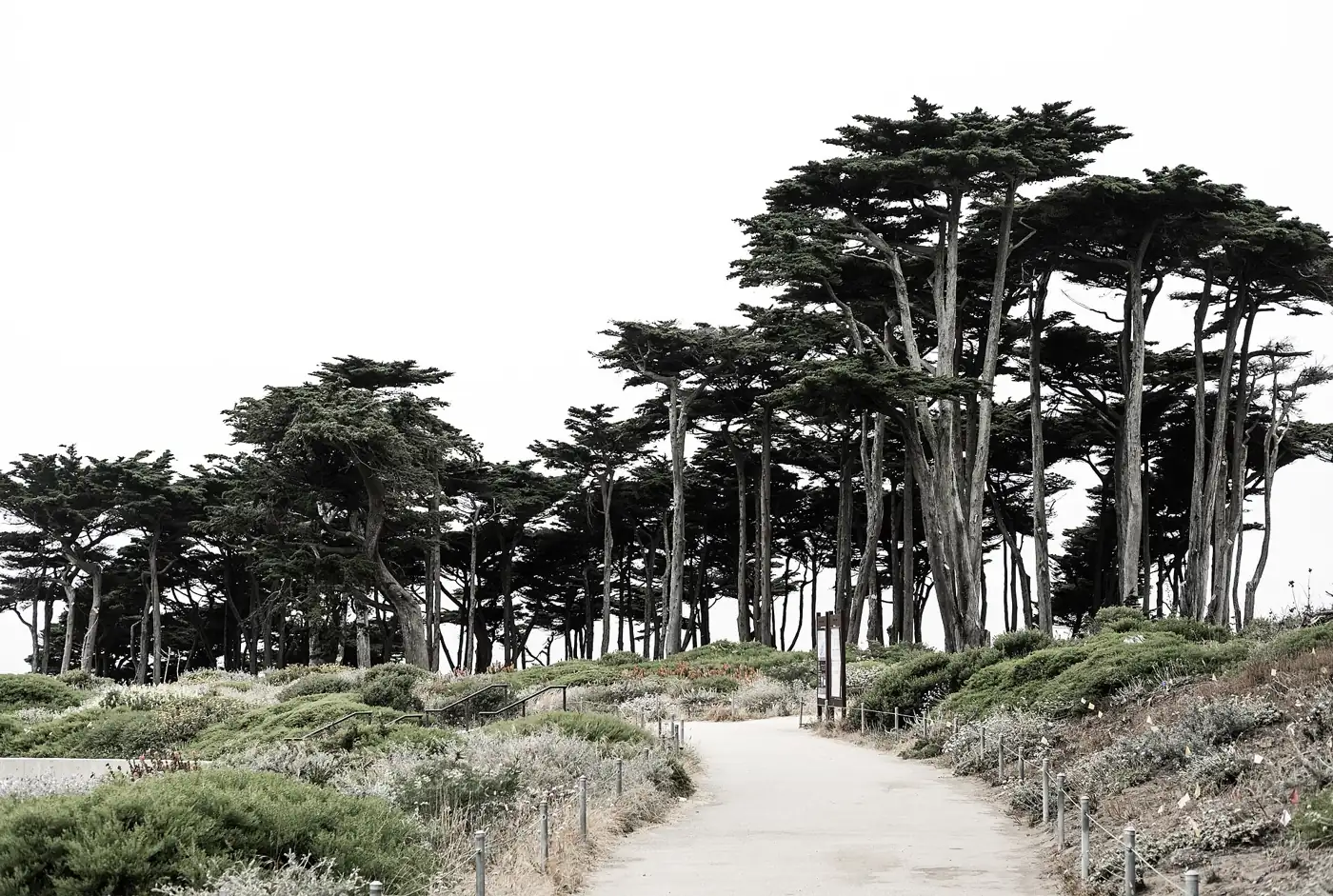
A Lands End walk is a chance to step into a different San Francisco: wind, trees, rocky coastline and views that appear and disappear as you move. It does not need to be a long hike. A short out-and-back with several thoughtful pauses can be more rewarding than covering every branch of trail.
Start by choosing what your group can comfortably manage. Stairs, uneven surfaces and exposure to weather can matter more than the distance shown on a phone. Decide on a flexible turnaround point before setting off, and remember that every descent may create a climb on the return.
Begin with the official route information
The National Park Service Lands End page introduces the coastal trails and suggests beginning at Lands End Lookout. Check current park notices and the map before your visit. A familiar route can be affected by maintenance, weather or a temporary closure.
Use the map to identify your first viewpoint and an easy way back. You do not need to settle the entire walk immediately. Starting with a manageable section gives you a chance to judge the surface, the wind and the group’s pace before deciding whether to continue farther.
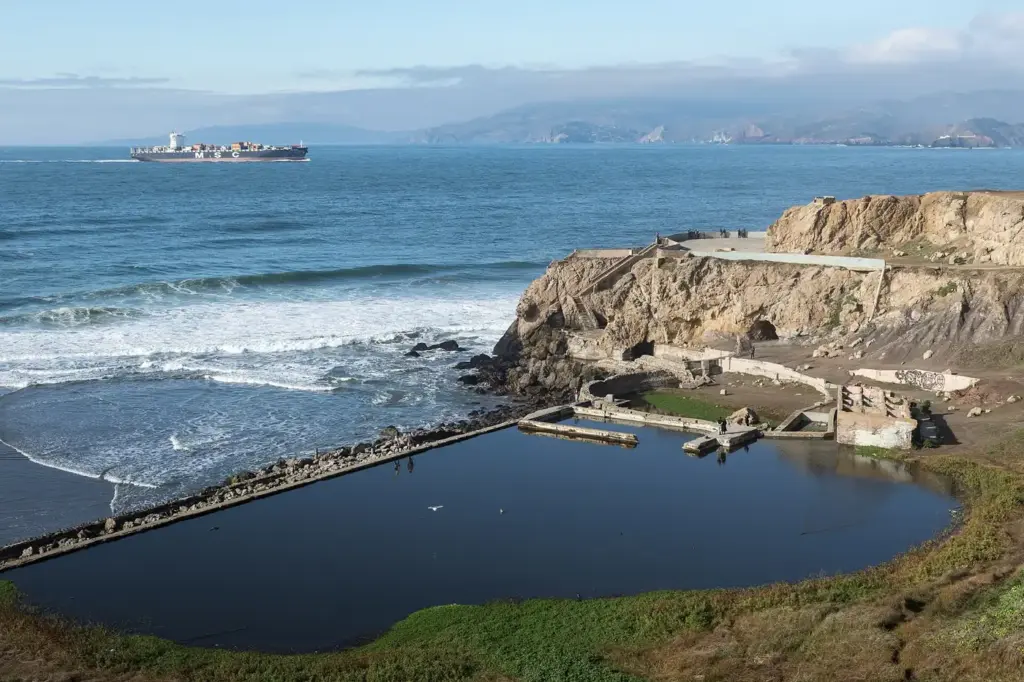
Walk for the viewpoints, not the mileage
Move slowly enough to notice the changes between sheltered trees and open coastline. When you reach a viewpoint, step clear of the trail before stopping. Let faster walkers pass and avoid spreading the group across a narrow section while everyone looks at the same photograph on a phone.
The National Park Service advises visitors to stay on trails and keep away from cliffs. Follow signs and barriers even when an unofficial path looks like a shortcut to a better picture. The most appealing view is not worth turning a simple outing into an unsafe scramble, and an existing worn track is not proof that it is an appropriate route.
Match the route to access needs
The Lands End accessibility page describes accessible features and approaches, including overlooks and facilities near the parking areas. Read the details for the part you intend to use rather than assuming that the whole coastal trail has the same surface and grade.
If different members of your group have different walking limits, choose a shared viewpoint as the main goal. A shorter common outing is often more enjoyable than separating unexpectedly after someone encounters stairs or a difficult surface. Confirm current facility availability before relying on a particular indoor stop or restroom.

Keep clothing and food straightforward
A wind-resistant layer is useful even when the day began pleasantly inland. Pack it where you can reach it without emptying your bag. Comfortable footwear suited to the actual path is more important than dressing for a photograph, and a small supply of water is easier to manage than an overfilled day pack.
If you want food afterward, plan it as a separate stop rather than carrying a large picnic through the entire walk. Our Richmond District food guide offers an idea for another part of the day, but check the journey between the two areas before treating them as adjacent stops.
Know when to turn back
Turn around while the return still feels comfortable. A viewpoint reached with energy to spare is a better finish than an ambitious route completed only because the map suggested it. If visibility is limited, enjoy the closer details and keep the walk modest instead of chasing a clear bridge view from increasingly exposed places.
Our fog and layers guide can help you plan a flexible western-city day. Once the walk is complete, give yourself a pause before the next activity. Lands End is most memorable when you leave with a sense of the coastline’s scale and changing light, not simply a record of how many steps you covered.
Keep your phone available for the map, but download the information you need before setting out rather than assuming every part of the route will offer ideal reception. Agree on the next stop before spreading out along the path. If someone wants a shorter walk, make that decision early enough that returning together remains a comfortable option for the whole group.