

San Francisco fog and layers belong in the same planning conversation. A day may take you from a sheltered commercial street to an exposed waterfront and then into a museum. The useful question is not which single outfit is correct, but how easily you can adapt without carrying more than you want to manage.
Start with the route. A café afternoon in one neighborhood needs a different bag from a coastal walk followed by dinner. Look at the forecast for the day and the locations you intend to visit, then choose clothing that can change with the plan rather than locking you into one set of conditions.
Think in layers you will actually use
San Francisco Travel’s packing guidance emphasizes layers for the city’s changing conditions. A comfortable base, a warmer middle layer and an outer layer that suits the forecast give you options. The best combination is the one you can take on and off easily while walking or using transit.
Test the arrangement before leaving. Can the spare layer fit in your bag without crushing food or making the bag awkward? Can you reach it without unloading everything onto a bench? A useful item becomes much less useful when it is buried under a full day’s purchases and you keep putting off taking it out.

Let the location influence the plan
An outing to Lands End or Presidio Tunnel Tops includes open spaces where wind may shape the experience. A museum day gives you more shelter, but the approach from the station or bus stop still matters. Think about the whole journey, not only the destination pictured in the guide.
If you want a long outdoor walk, put it in the part of the day when the conditions and your energy are most favorable. Keep an indoor alternative nearby. That could mean switching from a park walk to a bookshop and meal rather than crossing the city in search of weather you cannot guarantee.
Understand fog without trying to predict every minute
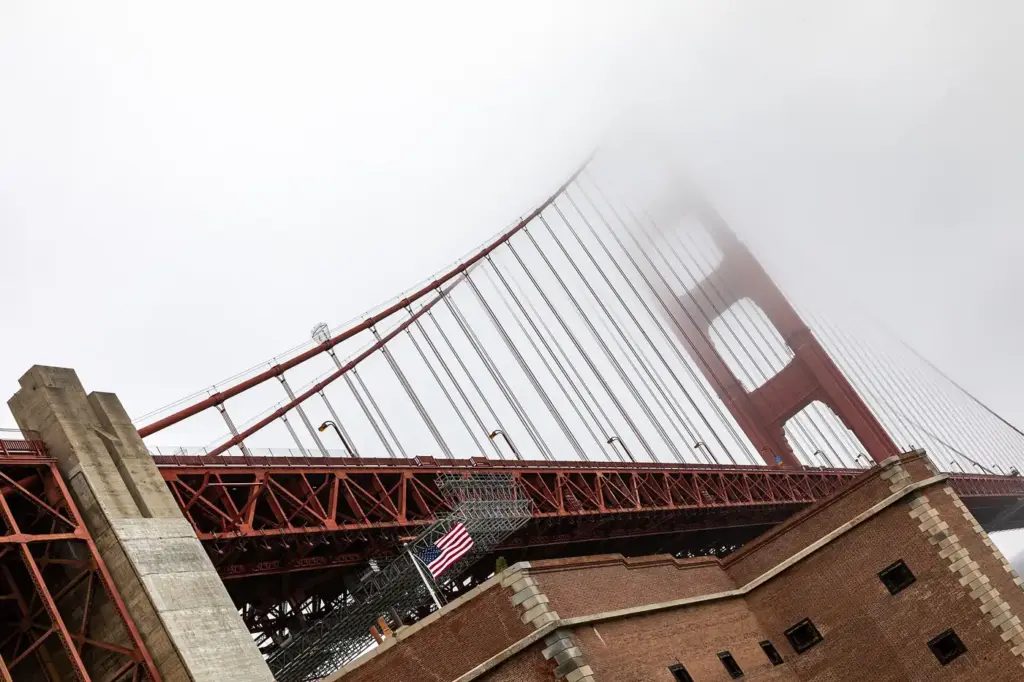
NOAA’s coastal information describes the marine layer as a cool, moist layer near the surface and explains how fog and low clouds can move inland through coastal gaps. That broad pattern helps explain why a view can change. It does not give you a promise that a particular bridge viewpoint will be clear at an exact hour.
Use the day’s forecast and visible conditions rather than a rigid rule about when fog always arrives or disappears. If the bridge is partly hidden, enjoy the closer details and the changing light. A city outing can still be successful when the photograph differs from the one you imagined before traveling.
Keep the day bag modest
Carry what supports the activities you actually chose: water, the layer you expect to need, any necessary personal items and enough room for a small purchase. An overfilled bag can make a simple walk uncomfortable and complicate museum or shop visits. Check venue bag policies if an indoor attraction is a major part of the day.
Choose footwear for the surface and distance, not only for the day’s most polished stop. A route with stairs or uneven trail sections calls for different planning from a short café-to-gallery walk. If your group has different walking preferences, adjust the route before leaving rather than discovering the mismatch halfway through the afternoon.
Build one easy change of plan
Choose an alternative that preserves the main purpose of the outing. If you wanted a quiet day, a bookshop and café can replace a windy picnic. If you wanted to learn something, our museum guide offers several indoor directions. The backup should feel like another good day, not a consolation prize.
Before returning, check whether evening plans require a different layer or a stop to drop off purchases. Small decisions like that can determine whether you feel comfortable staying out longer. San Francisco rewards flexibility: pack enough to change with the city, leave room to adjust your route and let the weather become part of the experience rather than a test you have to pass.
Consider the difference between walking and sitting. Clothing that feels comfortable during an uphill stretch may feel inadequate once you stop for a long meal outside. Keep the additional layer with you even when you do not need it immediately, and choose a bag that makes carrying it easy. Comfort is usually improved by a few adaptable items rather than a large number of extras.