San Francisco neighborhood etiquette is mostly about noticing the people around you. The city can be a holiday destination for one person and an ordinary workday for another. A few simple habits make those experiences fit together more comfortably, whether you are visiting a mural alley, buying lunch or boarding a crowded train.
You do not need to pretend to be a local. Curiosity, patience and a willingness to ask are more useful. Plan enough time that a queue, a closed doorway or a busy sidewalk does not immediately become a problem, and keep your group flexible when a place is smaller than expected.
Make room on the sidewalk
When you stop to check a map, move to the side before opening your phone. Keep doorways, curb ramps and transit stops clear. In a group, choose a meeting point that does not require everyone to stand across the main pedestrian route while waiting for one person to finish a purchase.
The same approach helps at scenic spots. Take your photograph, then make room for someone else to enjoy the view. If the location is crowded, a shorter stop may be more considerate than waiting for an entirely empty frame. The people around you are part of the place, not obstacles to an image.
Photograph places without taking over them
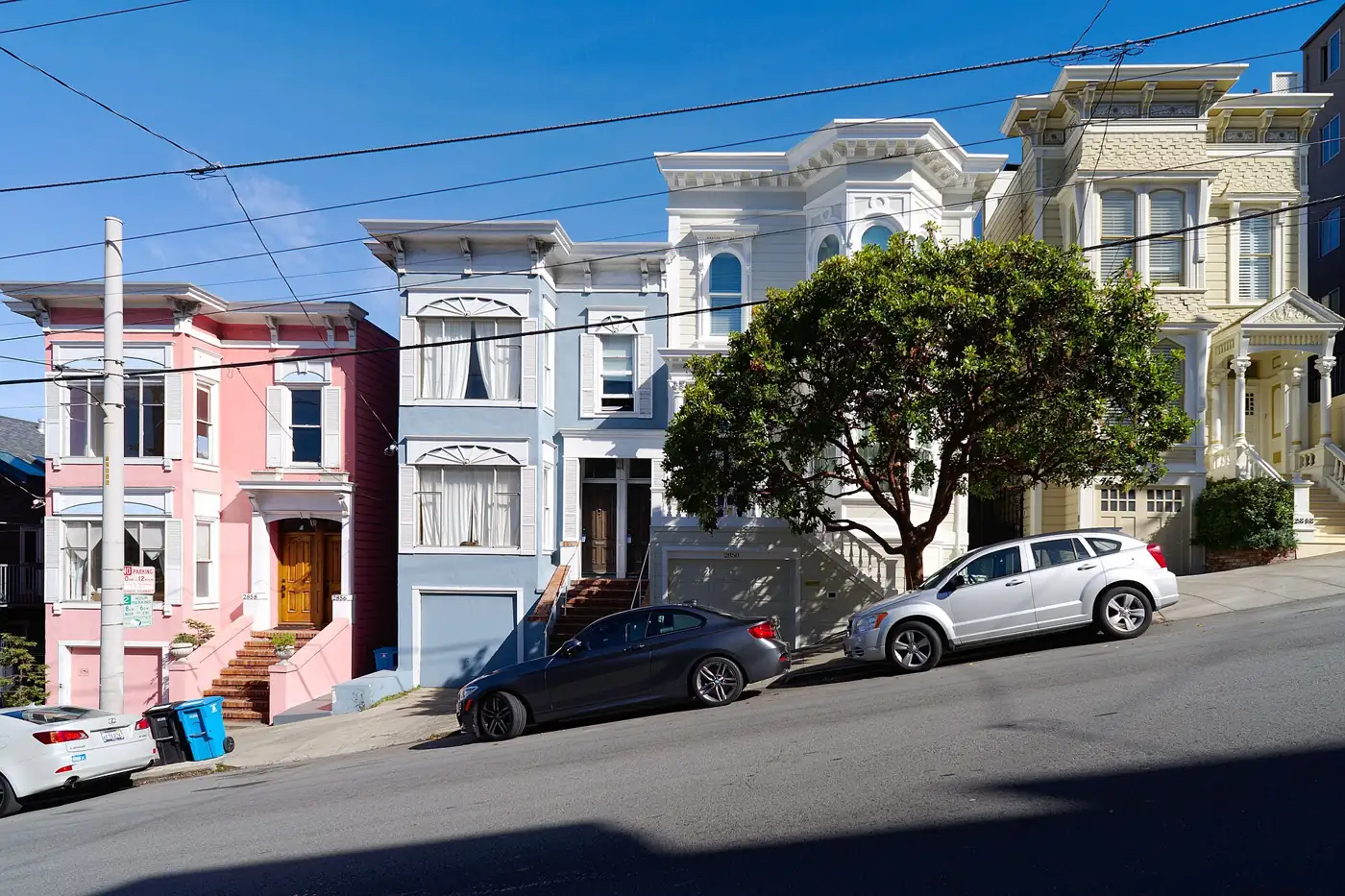
Ask before making an individual the main subject of your photograph, especially inside a small business or cultural setting. Respect a request not to photograph and do not assume that buying something gives you permission to film the staff. A doorway, shop counter or residential staircase may look appealing while still needing to function normally.
For public art, keep a respectful distance and avoid touching or leaning on the work. Our Mission mural guide emphasizes learning about the artists and context, not just collecting images. If you want to understand a place more deeply, support a locally organized tour or cultural institution.
Share transit space thoughtfully
SFMTA’s Muni riding guide asks passengers to let others exit before boarding, keep aisles clear and respect priority seating. Read the current payment and boarding instructions before your first trip so you can move through the process confidently rather than stopping in the doorway to work everything out.
Keep bags close to you and use headphones rather than playing audio into the shared space. A question to the operator may be necessary, but choose a suitable moment and keep it concise. If you are traveling with children or a group, agree on the destination before boarding and keep track of one another without blocking passengers who are getting off.
Support the places that make the visit interesting
If you enjoy browsing an independent shop, consider making a purchase that fits your budget. If a museum, community organization or bookstore gives your day its character, use its official information and services when planning. Small decisions can connect your visit to the people doing the work of maintaining those places.
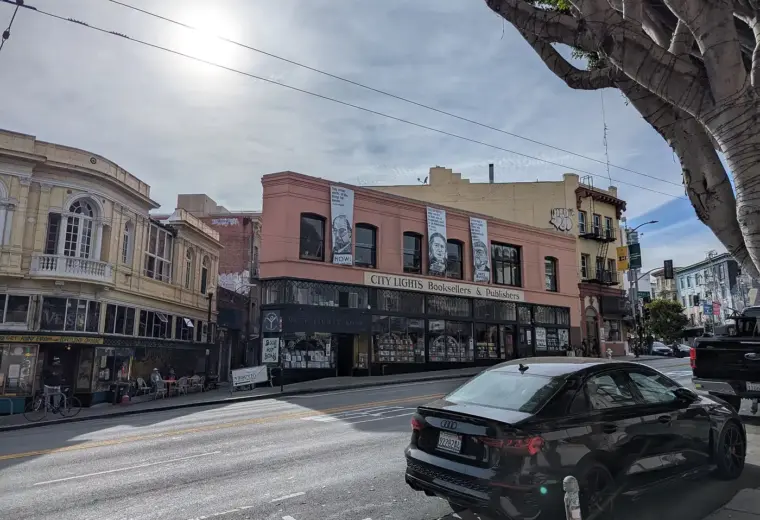
Our bookstore guide and Chinatown guide offer ways to build a neighborhood outing around more than a photograph. Choose experiences you have time to engage with, rather than entering a business only to occupy space while planning the next stop.
Leave shared spaces ready for the next person
At a picnic, take every wrapper and check the ground before you leave. In parks, follow the rules posted for the specific area rather than assuming that every lawn, trail or dog area works the same way. The Recreation and Park Department’s dog-area guidance is a useful reference if an animal is part of your outing.
Keep noise appropriate to the setting and recognize that people use public spaces for different reasons. A quieter group nearby may be resting, working or simply enjoying a calm moment. The goal is not to follow an elaborate code of local behavior. It is to pay attention, leave room for others and let the city continue being a place people live while you enjoy being there.
When asking for directions or recommendations, begin with a brief question and give the person room to decline if they are busy. Someone working behind a counter may have other customers waiting, and a passerby may be on a deadline. Gratitude and patience usually make the exchange more pleasant than expecting an impromptu local tour from whoever happens to be nearby.