The Mission District can support several different days: a mural tour, a food-focused outing, a shopping afternoon or a long conversation over coffee. Trying to do all of them at once usually makes the neighborhood feel like a checklist. Start with the Mission District murals, then choose one food stop and one flexible extra.
This plan favors depth over distance. It gives you time to read a mural, notice the surrounding streets and learn who made the work. You do not need to see every alley to come away with a meaningful sense of the neighborhood’s public art.
Let local knowledge shape the route
Precita Eyes Muralists is a practical starting point for learning about murals and guided walks. The organization has a visitor center on 24th Street and publishes current tour information on its own website. Check the itinerary and booking details rather than assuming that a tour operates every day or always follows the same route.
A guided visit is particularly valuable when the image contains references you do not recognize. Ask about the artist, the community involved and the circumstances of the work. Those questions often reveal more than a quick search for the mural’s title. If you explore independently, use local interpretation where it is available and avoid guessing what a work represents.
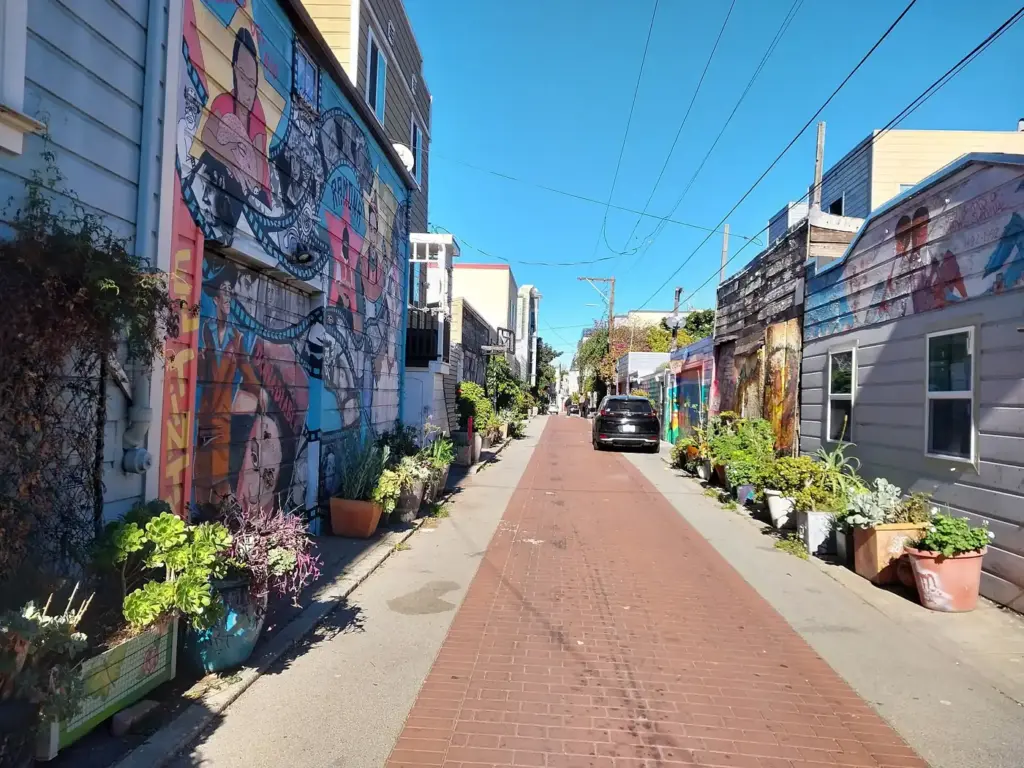
Give each mural enough time
Look at a work once without taking a picture. Notice the figures, lettering, colors and relationships between panels. Then read any accompanying information and look again. This small sequence makes the experience more memorable and reduces the temptation to move from wall to wall without seeing much.
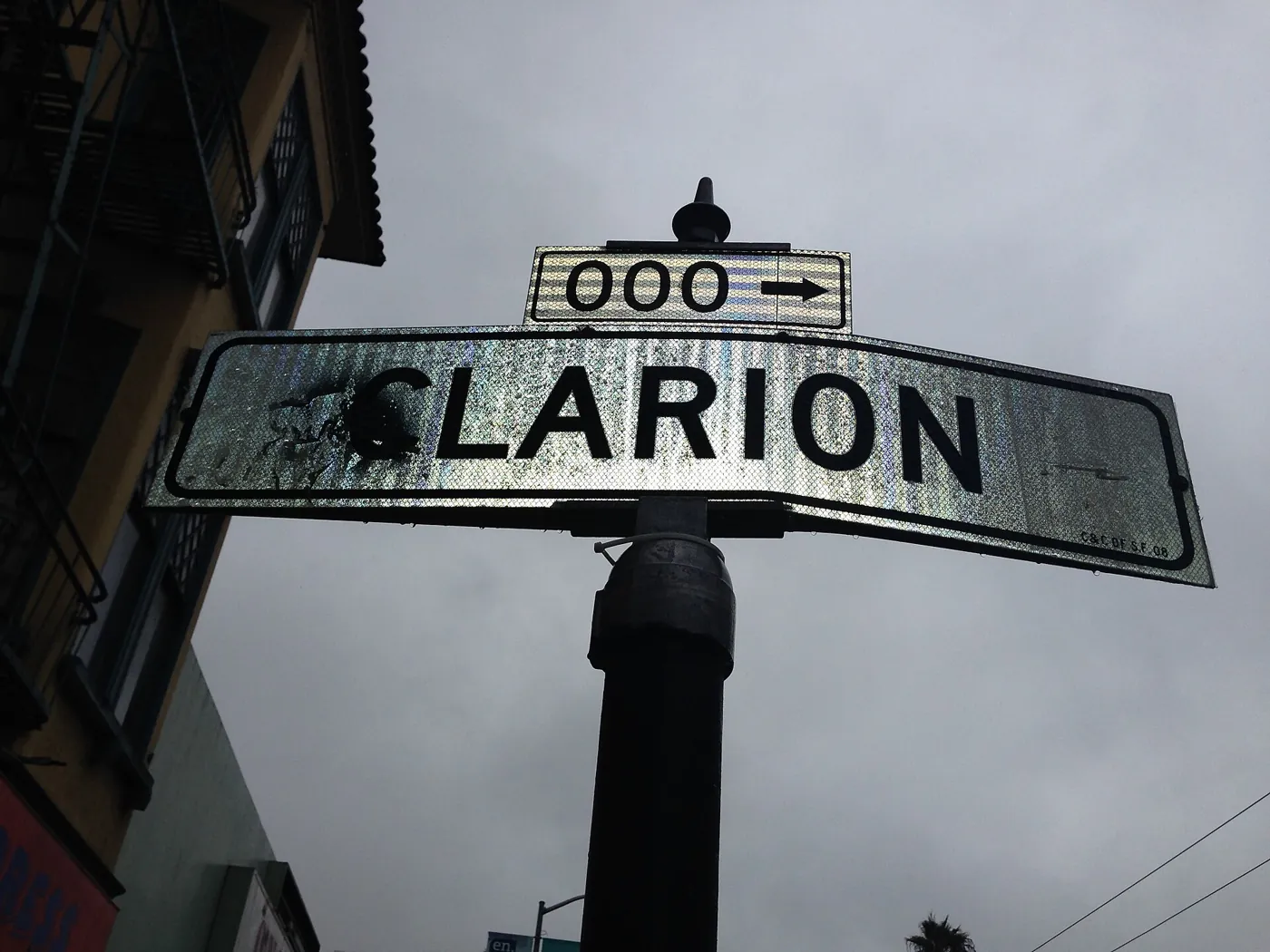
San Francisco Travel highlights both Balmy and Clarion alleys among the city’s well-known mural locations. They are separate stops, not a single compact installation. Choose one area if your time is limited. Be mindful of residents, garage doors and people passing through; a mural-lined lane is still part of a working neighborhood.
Plan a meal around your finishing point
Do not select a restaurant across the district simply because it appears on a long list. First decide where your art walk ends, then look at nearby menus. A relaxed meal within a few blocks gives everyone time to talk about what they saw and leaves more of the afternoon for the neighborhood itself.
Ask about ingredients rather than assuming that a dish suits an allergy or dietary preference. If you are sharing, agree on portions before ordering and leave space on the table for everyone. Food is a good reason to return to the Mission on another day, so there is no need to turn one lunch into a comprehensive tasting project.
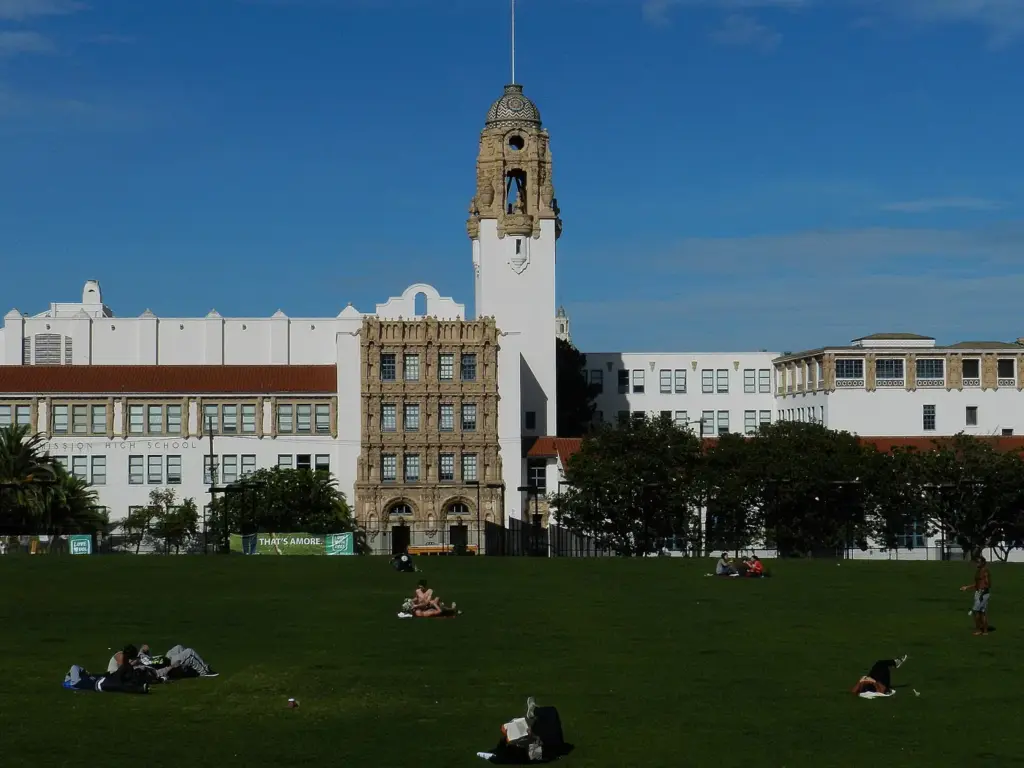
Choose one extra experience
After the meal, choose between a bookstore, a café or a park break. The right choice depends on the weather and your energy. Our independent bookstore guide offers a different way to build a city outing, while the coffee neighborhood guide can help you plan a slower pause.
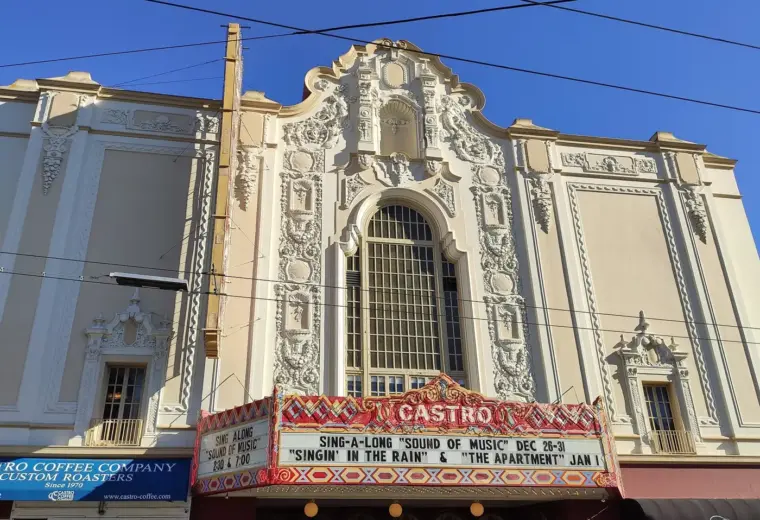
Avoid treating every nearby neighborhood as an automatic extension. The Castro has its own history and destinations, and our Castro guide works better as a considered addition than a last-minute detour. If everyone is tired, finish the Mission visit on a high note and return another day.
Leave the neighborhood as you found it
Keep a respectful distance from painted walls and do not touch or lean on the artwork for photographs. Ask permission before closely photographing people, and move your group aside when the sidewalk narrows. Supporting a local cultural organization or buying something from an independent business can be a more useful contribution than simply gathering images.
Check the journey home with SFMTA’s trip planner before your final stop. An easy return route makes it possible to linger without worrying about retracing the entire afternoon. Take home a mural title, an artist’s name or a question to explore later, not just the number of places you visited.
A notebook can be useful here. Write down the name of a work or a theme that interests you, then research it later instead of trying to learn everything while standing in the alley. Separating observation from later reading helps keep the walk attentive to its surroundings and gives you a reason to revisit the neighborhood with more context next time.