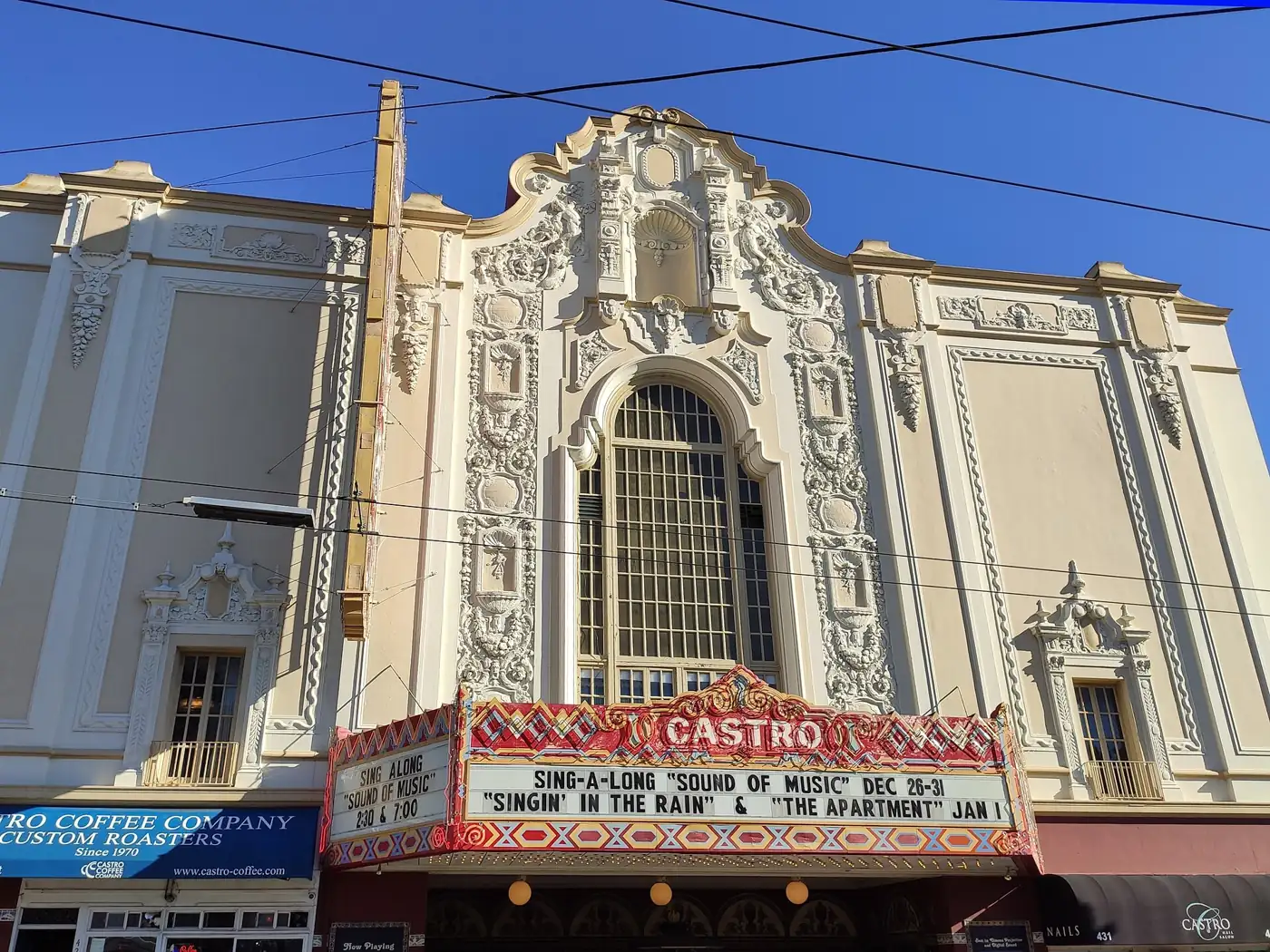
The Castro is a neighborhood to spend time in, not simply a backdrop for a rainbow photograph. A good visit combines LGBTQ history with the everyday pleasures of a commercial street: a book, a café, a window display and a meal. This Castro neighborhood guide keeps the route flexible while making room for the context that gives the area its meaning.
Start by choosing whether history, shopping or an evening outing is your priority. A daytime museum visit and a late night out require different planning. Trying to fit both into a short afternoon can leave the most interesting part of the visit squeezed between transport connections.
Put the museum on the calendar first
The GLBT Historical Society Museum provides a focused starting point for exploring LGBTQ history. Read the current exhibition information and visitor details before you go. Opening hours, admission and breaks in the day’s schedule can change, so the museum’s own website should determine when you arrive.
Choose a manageable amount to absorb. It is better to spend time with a few objects and stories than to skim every label. If something challenges what you thought you knew, make a note and follow it up later. A history museum is especially rewarding when you allow it to change the questions you bring to the surrounding streets.
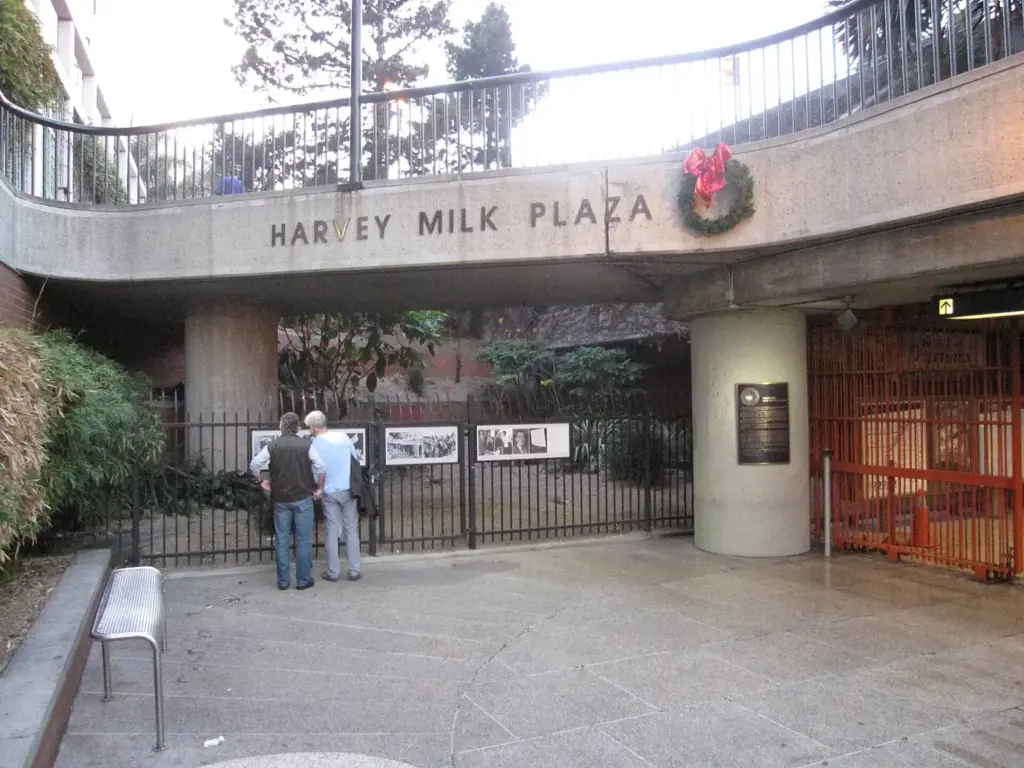
Walk the neighborhood with that context
After the museum, explore around Castro and Market streets. Notice the relationship between commemorative places and ordinary businesses. The neighborhood is both a destination for visitors and a place where people work, shop and meet friends. That combination is part of its character, rather than a distraction from the sights.
Keep your group to one side when you stop to read a sign or look at a building. If a plaque or display draws your attention, take a moment to read it fully before taking a photograph. Avoid assuming that every passerby wants to explain the neighborhood or appear in a visitor’s image.
Choose a meal without over-scheduling
Pick a restaurant or café that suits your group and the time available. A lunch reservation may be useful for a large party, while a solo visitor might prefer a smaller stop and more time walking. Check current menus directly and ask about any ingredient concerns before ordering.
A meal also gives you space to reflect on the museum. Discuss one story that stayed with you rather than trying to summarize an entire community’s history. If someone in your group wants a quieter break, honor that. A meaningful neighborhood day does not need a constant stream of activities.
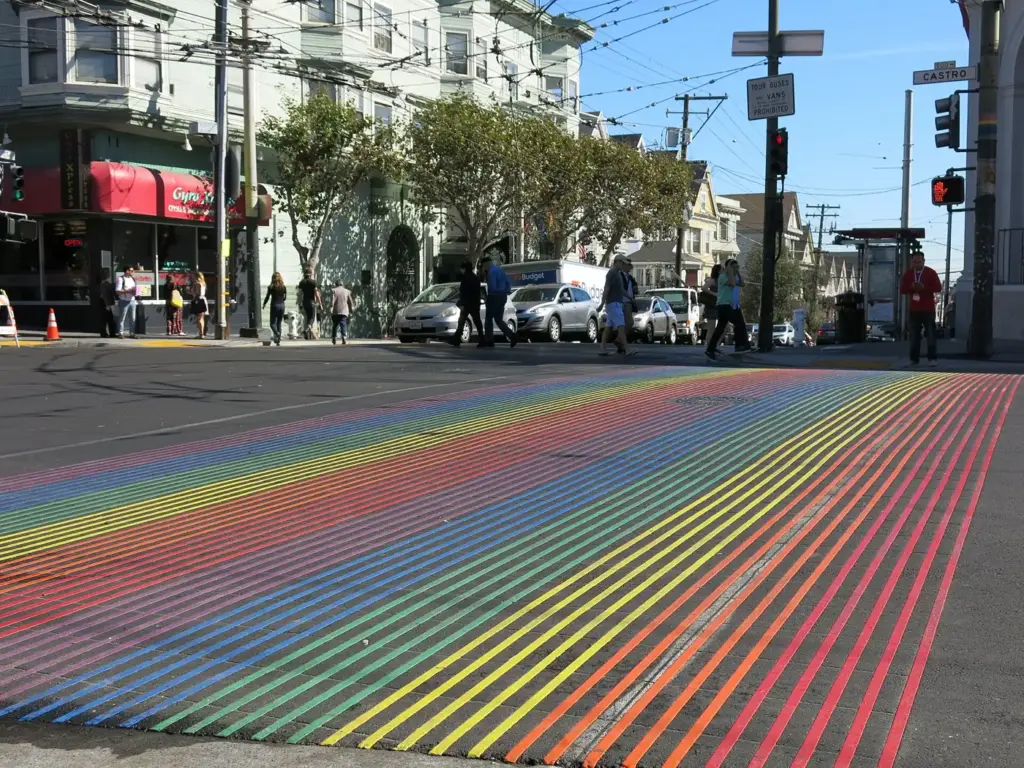
Treat the surrounding hills as an extra
The broader area has slopes, and a short distance can become a substantial climb when you leave the main commercial streets. Look at the walking route before adding a viewpoint or residential detour. If your group has different mobility needs, choose an outing everyone can enjoy rather than splitting unexpectedly halfway up a hill.
For transport, use SFMTA’s planning tools and check the exact destination. Do not assume that a station on a map guarantees the easiest approach to a particular entrance. If step-free access is essential, review the agency’s current accessibility information before leaving.
Extend the day thoughtfully
The Mission mural and food guide offers another culture-focused outing, but combining the two requires time for both the journey and the experiences themselves. Choose one neighborhood as the main event and the other as a simple meal stop if you have only a day.
For a less ambitious extension, make time for another café or browse our independent bookstore guide. A quieter finish can be the better choice after a substantial museum visit. Whatever you choose, keep the afternoon grounded in curiosity and respect. The strongest memory may be a story you learned or a conversation over lunch, rather than the final photograph on your phone.
If your visit includes an evening performance or gathering, check the organizer’s own information and plan the daytime portion separately. An event ticket does not automatically solve the hours before it. Leave time for a meal, a rest and the journey to the correct entrance so the history-focused afternoon and the evening can each feel like a complete experience.