San Francisco Public Library visitors can build an outing around more than borrowing a book. An exhibition, a local-history question or a quiet period of reading can make the library a meaningful part of a city visit. Start with a purpose and check the location’s current information before you go.
The Main Library and neighborhood branches serve different needs. If you want a particular collection or exhibition, choose the site first. If you want a brief reading stop during a neighborhood day, a nearby branch may be more practical than traveling across the city simply because the Main Library is the largest option.
Begin with the Main Library’s visitor information
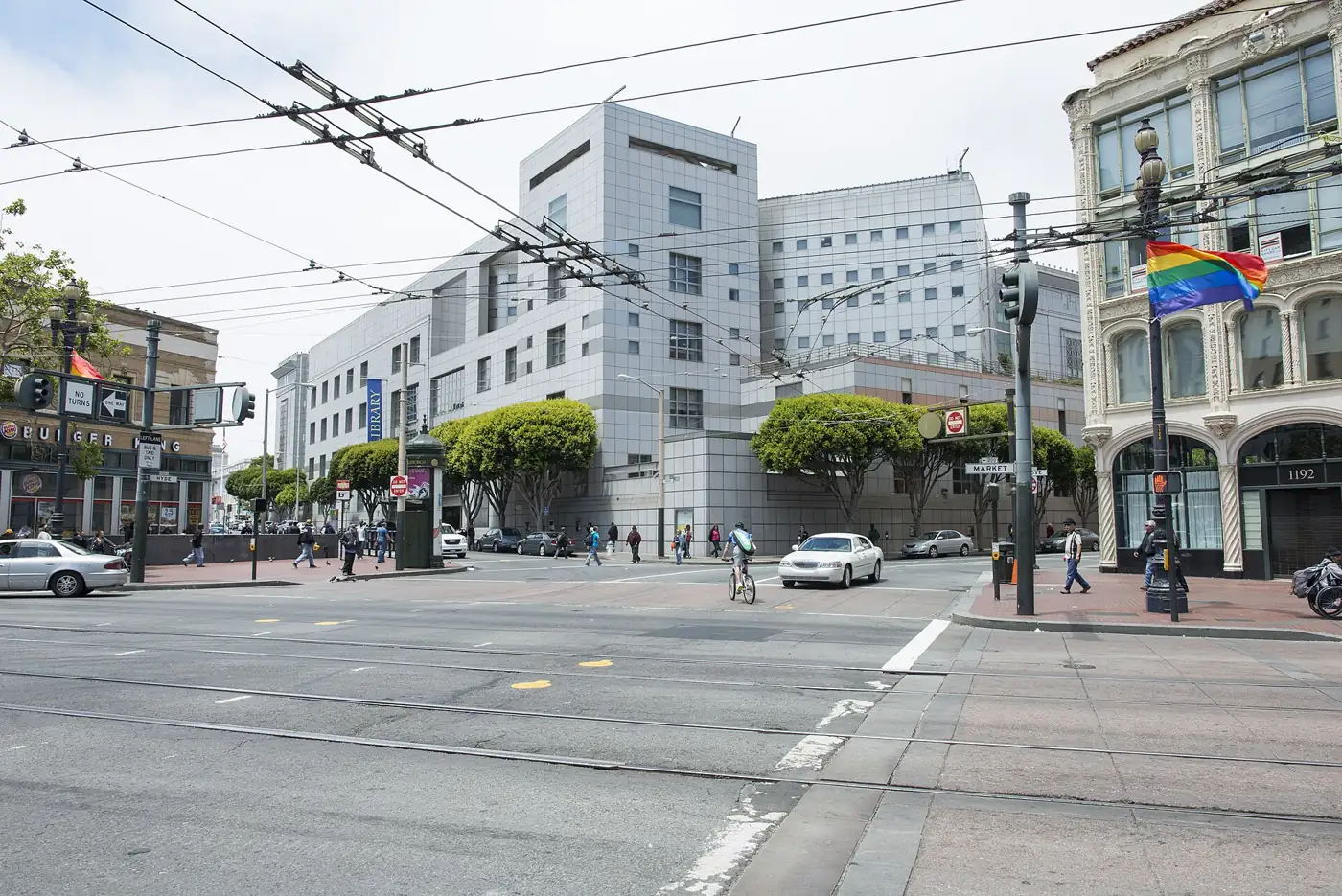
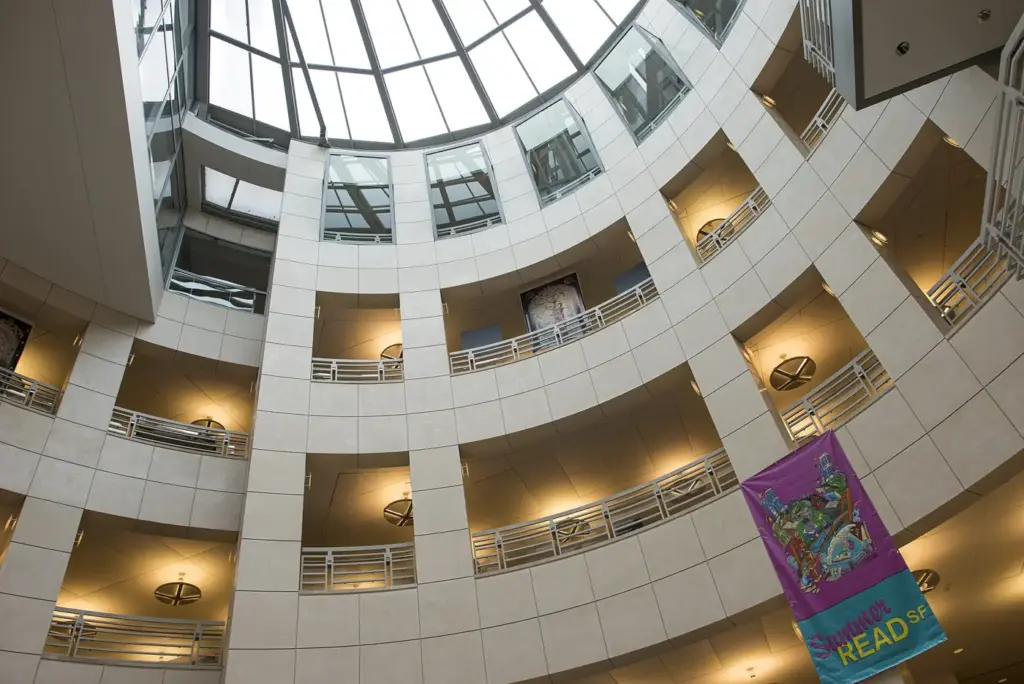
The Main Library is at 100 Larkin Street in the Civic Center area. Its official page provides current opening information and links to services. Check those details for the day you intend to visit, especially if you are connecting the library with a museum, event or appointment.
Plan a modest first visit. Look at the building’s layout, identify the area you want and allow time to ask a staff member a specific question. A library becomes easier to navigate once you know what you are looking for; arriving with a clear interest is more useful than trying to explore every floor at once.
Look for an exhibition or program
The library’s exhibition listings show what is currently on view and where. Read the location as carefully as the title because an interesting display may be at a branch rather than the Main Library. Exhibition dates and access arrangements should guide your plan, not a photograph from an earlier event.
For a program, review the full listing for registration, audience and any capacity information. Do not assume that an event welcomes walk-ins just because the venue is public. Choose one activity and leave time afterward to read or browse, rather than rushing directly to another destination.
Explore a question about San Francisco history
The San Francisco History Center is on the Main Library’s sixth floor and holds research materials about the city’s life and history. A focused question works better than a request to learn everything about San Francisco. You might begin with a street, a neighborhood, an old photograph or a particular period that interests you.
Check the collection’s own service information and research guidelines before visiting. Specialized materials may have different access procedures from books on ordinary open shelves. If your question requires substantial help, contact the center ahead of time so you understand what can realistically be done during a short visit.
Understand the difference between visiting and borrowing
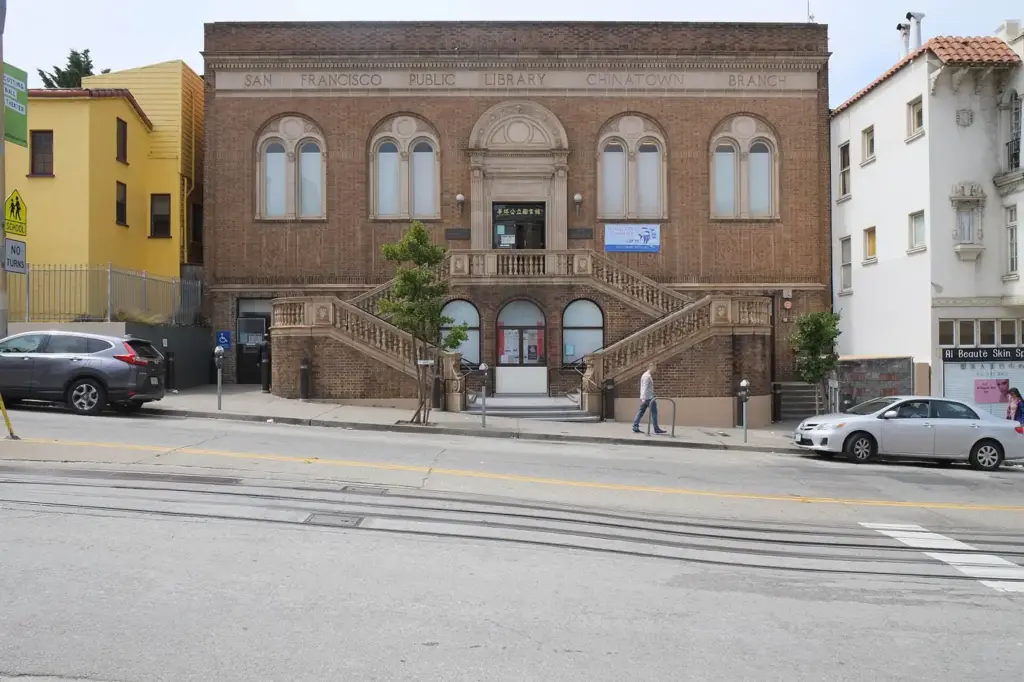
If you want to borrow materials or use a service tied to a library account, review the official library-card FAQ. California residents and visitors can have different arrangements, and registration may require an in-person step. Confirm the requirements directly rather than assuming that a card from another library will work.
The library also publishes computer and internet policies. Read the rules for the service you intend to use. Bring the information you need for your own accounts, and avoid planning an essential task around a particular computer being available immediately.
Combine the visit with one nearby experience
The Asian Art Museum is a possible companion for a Civic Center day; our museum guide explains how to choose an indoor anchor. Give each place enough time instead of treating the library as a waiting room between tickets. A focused exhibition visit and a meal may be a complete outing.
Throughout your visit, keep noise low, follow posted rules and respect the privacy of people reading, studying or using services. Ask before photographing others and do not assume that a public setting makes someone part of your travel story. Leaving with a useful source, a new author or a better question about the city is a worthwhile result.
A useful research visit starts with a few notes prepared at home: names, dates, an address or the question you hope to answer. Bring those details in an easy-to-read form. Staff can help you identify a direction more effectively when the request is focused, and you will be better able to record what you learned and which source to explore next.