A street fair can turn a familiar San Francisco neighborhood into a place to linger, listen, browse, and meet the businesses and organizations that help shape it. The strongest plan is simple: choose one fair that interests you, confirm the current event details, and allow time to explore its setting. A fair is not a reason to rush through every nearby landmark. It is an opportunity to spend a little longer on a few blocks and notice how the neighborhood uses its public space.
Choose by neighborhood and character
Start with the kind of experience your group wants. The Union Street Festival brings a street celebration to Cow Hollow. The North Beach Festival is rooted in the North Beach neighborhood, while the Castro Street Fair has a distinct community history. Their names are useful starting points, but individual editions can change in size, programming, and layout. Read the organizer’s description and map before choosing. A fair with a particular music lineup or community focus may suit you better than whichever event happens to be largest.
Use the current organizer page
Search results often mix this year’s event with archived schedules. Confirm the year, date, location, and operating hours on the organizer’s own website. Look for access information, ticket or admission arrangements, prohibited items, and any age restrictions on specific areas. Save the event map before leaving so you can find entrances, performance spaces, and facilities without relying entirely on mobile reception in a crowd. If the organizer has not announced the next edition, treat last year’s details as history rather than a booking promise.
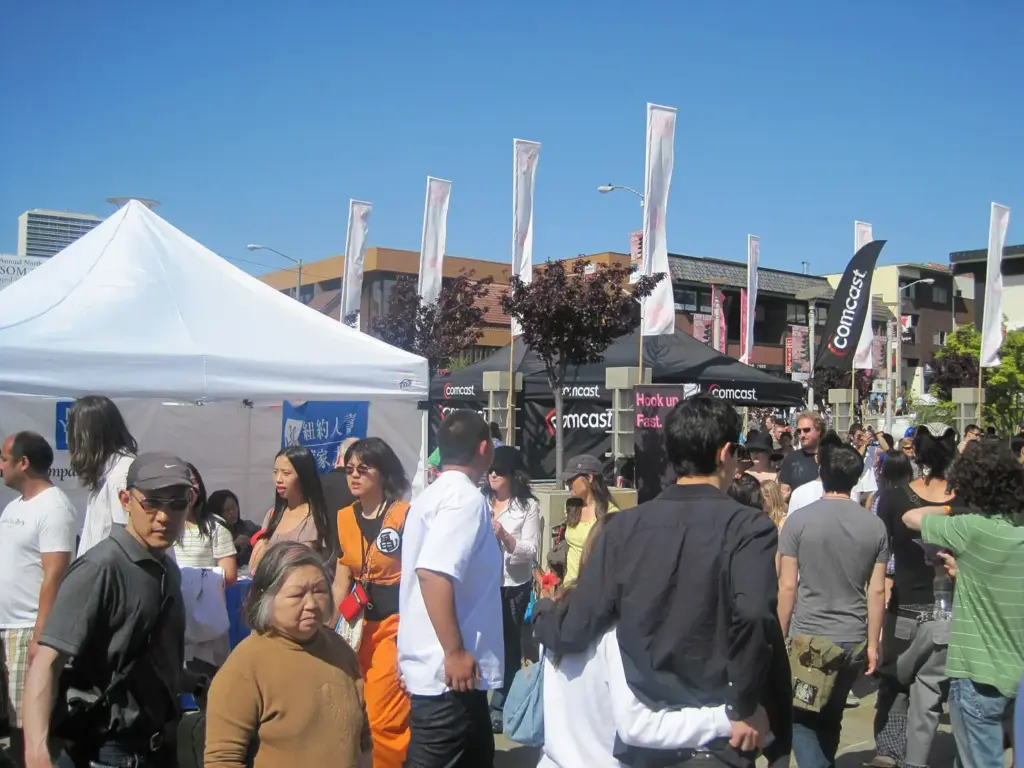
Understand the fair’s context
The Castro Street Fair was founded by Harvey Milk in 1974, and its community identity is part of the reason to visit. Other fairs are connected to merchant groups and neighborhood organizations. Spend a moment reading that context before you go. It can help you choose which booths to visit and recognize that the event is more than a backdrop for photographs. Ask before taking close-up pictures of performers or stallholders, and respect any posted guidance around community spaces and fundraising activities.
Arrive with a loose route
Pick an entry point and one attraction you especially want to see, then leave room to wander. Walk a section before making every purchase so you understand the layout and where queues form. Keep a meeting point outside the densest area if you are visiting with friends. For children or anyone who tires quickly, plan a shorter visit and identify where you can step away. A manageable circuit with a meal or café stop afterward often feels better than trying to cover every booth.
Keep the surrounding businesses in the plan
Temporary stalls are only one part of the neighborhood. If time and access allow, visit a nearby bookstore, café, gallery, or restaurant as well. Check whether the business is open during the event and whether it is taking reservations. Avoid treating residential doorways, private steps, or shop entrances as convenient places to gather. A fair can bring substantial foot traffic to a small area, so being thoughtful about where you stand makes the day easier for both residents and other visitors.
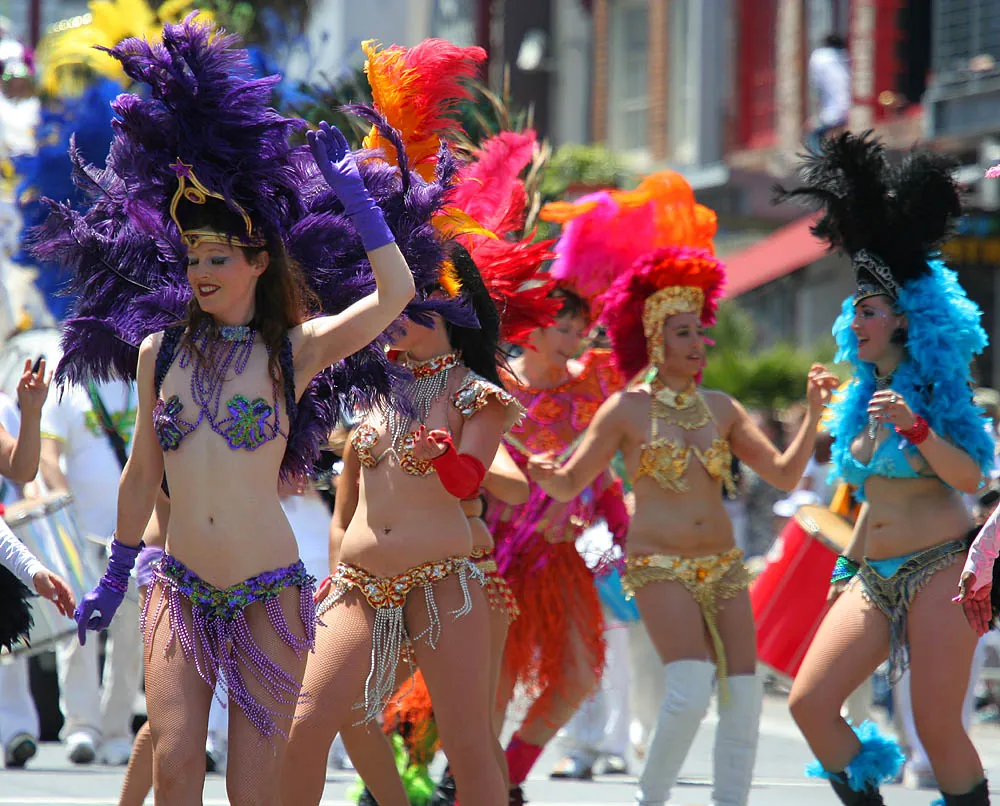
Check the transport changes
Street closures can move bus stops or change routes. SFMTA’s travel and transit updates are a useful companion to the organizer’s event map. Check both the journey in and the route home, particularly if you expect to leave after an evening performance. Transit is often more practical than searching for parking inside the event area, but it still needs planning. If someone is meeting you by car, agree on a pickup location beyond the closure boundaries and avoid blocking crossings or bus zones.
Bring less and leave room to change plans
Carry water, a layer, comfortable footwear, and a bag that leaves your hands free. Confirm payment options rather than assuming every stall accepts the same method. Crowds and weather can shift the experience, so give yourself permission to shorten the visit or return at another time if the event allows it. The best souvenir may be a business you want to revisit on a quieter day. Keep its name, return to the neighborhood, and let the fair be the beginning of that connection rather than the only visit.
Keep exploring
For a smaller recurring gathering, try our farmers-market guide. Browse the Events archive for music, museum evenings, and film ideas.