Biking along San Francisco’s waterfront can be a satisfying way to see the bay, but the route deserves more thought than simply following the water. Busy promenades, intersections, rail tracks, changing bike facilities, and climbs toward the Golden Gate Bridge all shape the ride. Choose a comfortable distance, identify a turnaround point, and use current route information. You can have a memorable cycling day without crossing the bridge or committing to a ferry connection at the far end.
Begin with a route you can shorten
For a first ride, choose an out-and-back plan or a short loop with obvious places to stop. Starting near the Ferry Building makes the Embarcadero easy to recognize, but check the current bike network map for the appropriate riding space and crossings. Decide in advance where you will reassess the day. That might be a waterfront stop, a café, or the approach to a hill. A flexible turnaround is more useful than a destination that becomes mandatory once you have hired a bicycle.
Choose the right bike and departure point
Ask the rental operator about fit, brakes, locks, lights, return requirements, and the kind of route you plan to ride. If using a shared bicycle, read the service area and parking rules before starting. An electric assist can help with hills, but it does not remove the need to manage the bicycle confidently around traffic and pedestrians. Allow time for a short practice ride away from the busiest area. A starting location close to your intended route can save an awkward cross-city approach.
Read the street as well as the map
A route line on a phone does not describe every moment of the ride. Look ahead for people crossing, turning vehicles, stops, and changes in surface. Follow signs and signals rather than assuming a waterfront path is a continuous bike-only lane. Slow down where people gather and dismount when required or when that is the calmer choice. At rail tracks, use a safe crossing angle and avoid sudden maneuvers. Stop in a clear place before checking directions or taking a photograph.
Treat Crissy Field and the bridge as separate decisions
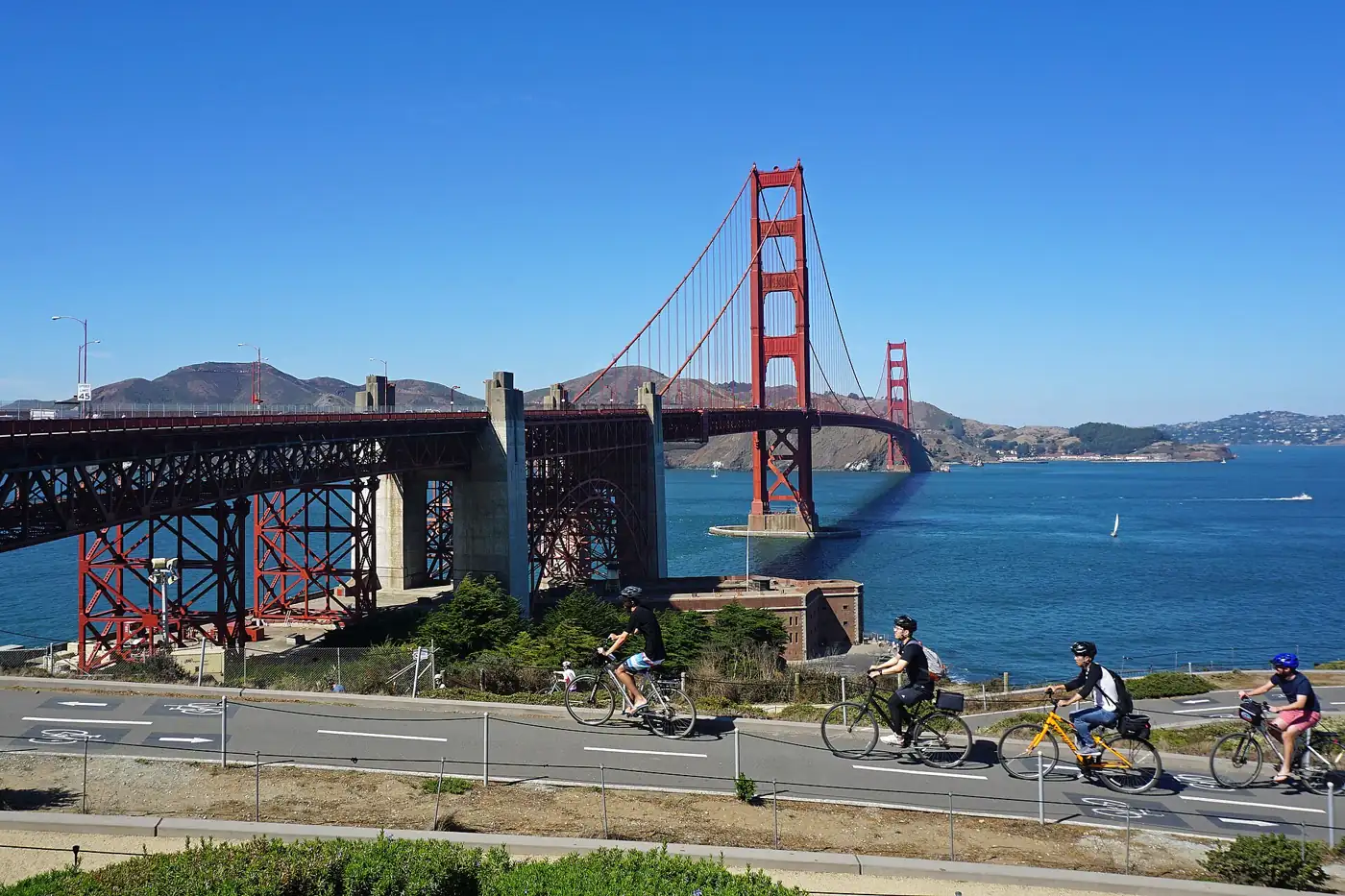
Reaching the northern waterfront does not mean you must continue across the Golden Gate Bridge. Take a break, assess the wind, and decide whether the next climb and crossing suit the group. The bridge district publishes sidewalk access rules, current alerts, and cyclist instructions. Those details vary by time and conditions, so check them immediately before crossing. A view of the bridge from below can be a complete outing; extending the route should be a deliberate choice rather than momentum.
Plan the Sausalito option before committing
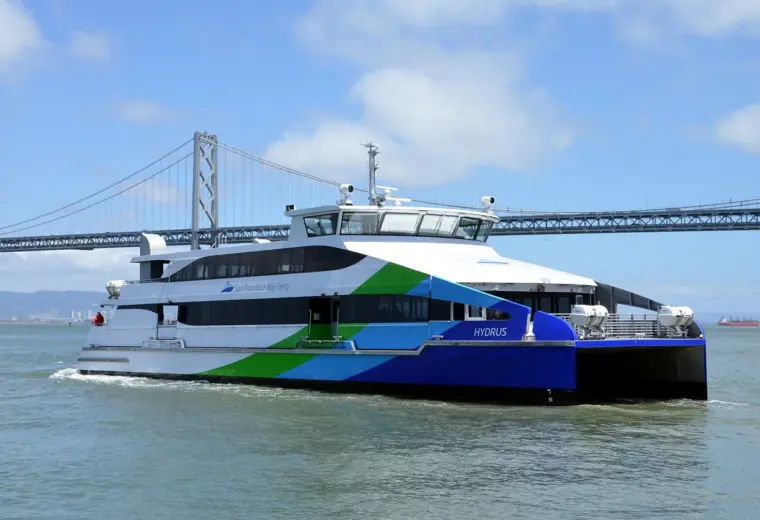
A ride across the bridge toward Sausalito adds distance, descending roads, and return logistics. If the plan is to ferry back, check the operator, timetable, bike rules, and boarding arrangements before leaving San Francisco. Do not assume every ferry ticket guarantees space for a bicycle on your preferred sailing. Include time to find the terminal and return the rental afterward. If those constraints make the day feel rushed, choose an out-and-back waterfront ride and save Sausalito for a separate ferry visit.
Use transit only after checking bike rules
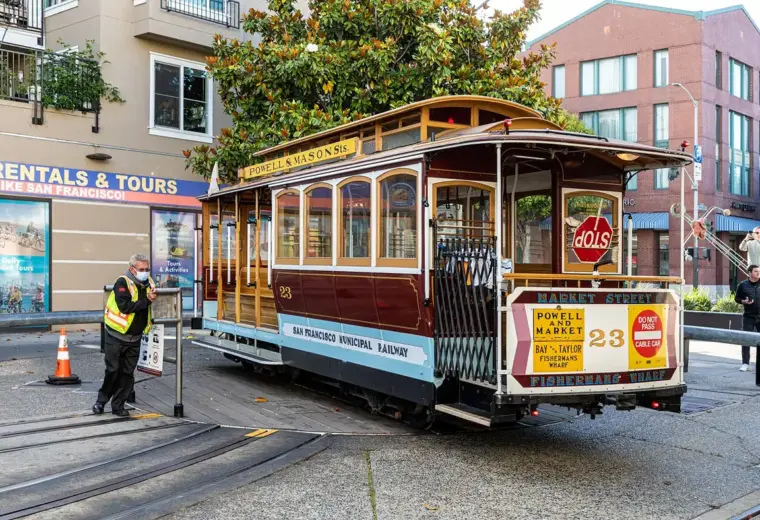
Different vehicles handle bicycles differently. SFMTA explains its bus-rack and vehicle policies, and cable cars do not accept bicycles. BART has its own rules, including restrictions on where bikes may be positioned. A transit fallback therefore needs to be specific: identify the service, confirm that your bicycle is permitted, and consider whether you can manage it through the station or onto a rack. For a rental bike, ask the operator what they recommend if weather or fatigue cuts the ride short.
Make comfort part of the itinerary
Carry water, a wind layer, and the essentials you can secure on the bike. Stop for food before the return becomes urgent, and leave enough time to finish in daylight if that is what you are comfortable riding in. Keep the outing focused on a few views rather than a long list of stops. A good first waterfront ride should leave you with a clearer sense of the city’s geography and the confidence to choose a different route next time.
Keep exploring
Compare the return options in our ferry guide. For an outing without a bicycle, see our Sausalito day-trip itinerary.