A short line on a San Francisco map can conceal a serious climb. The city rewards walking, but the best route is not always the shortest route and the most enjoyable day is not always the one with the most steps. Decide where you want to linger, look at the terrain between stops, and use transit when it improves the experience. A good walking plan leaves energy for the neighborhood you came to see rather than spending it all getting there.
Look beyond the distance
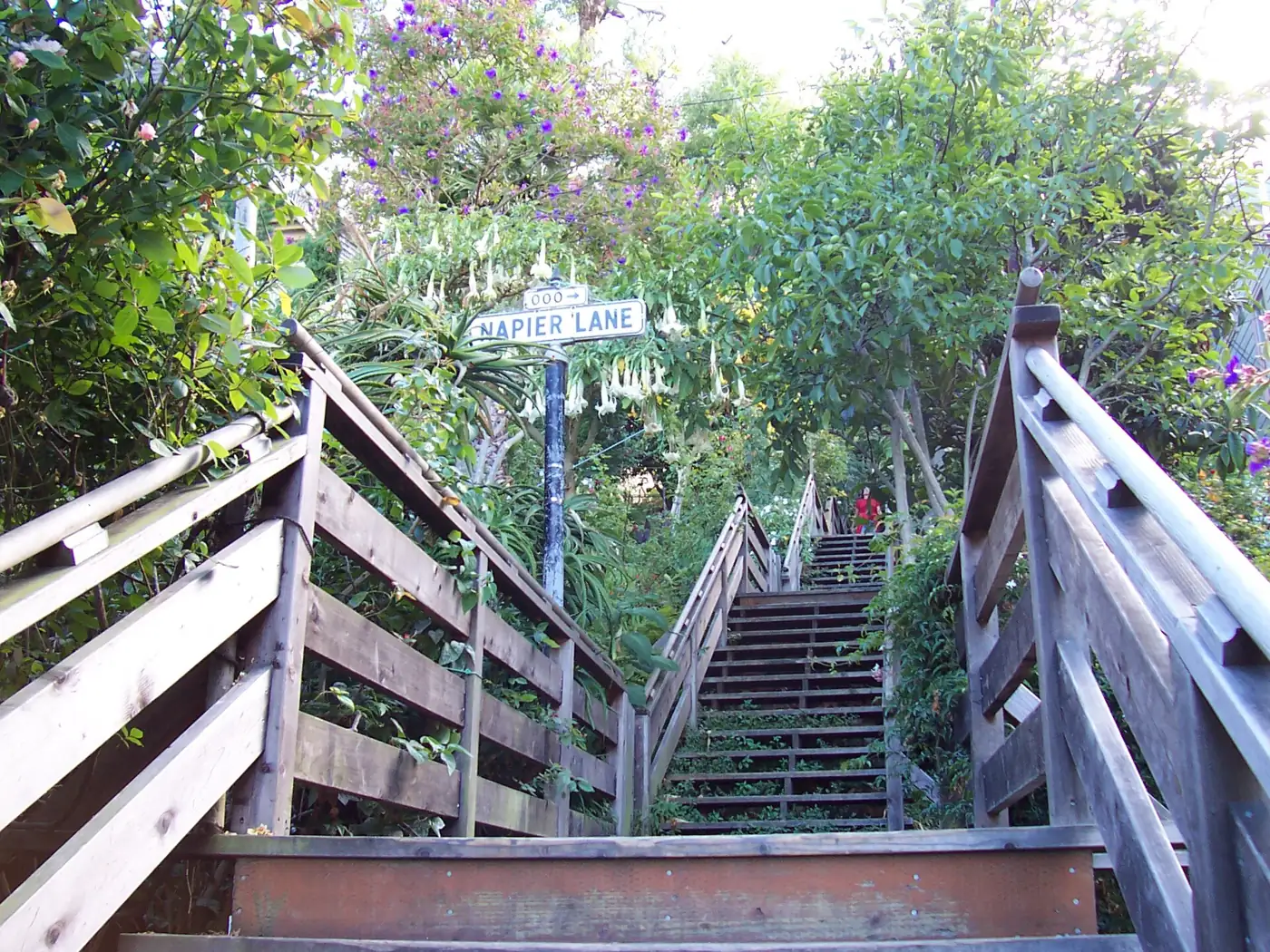
Before committing to a walk, check the elevation and the actual path. Stairways, steep blocks, and indirect crossings can change how a route feels. A navigation estimate is a starting point, not a promise for every walking pace. If you are traveling with someone who uses a mobility aid, has a stroller, or prefers gentler terrain, review accessible-route information instead of assuming the default walking option is suitable. Ask the destination about its entrance as well; the main street address may not identify the easiest approach.
Choose a neighborhood cluster
Group stops that naturally belong together. An afternoon centered on the Embarcadero needs less cross-city travel than an itinerary that alternates between the waterfront, a hilltop, and the western neighborhoods. Make one place your anchor, then choose one or two nearby additions. Leave an optional stop that can disappear without spoiling the day. This makes it easier to pause for a view, wait at a café, or change direction when a street is busier than expected.
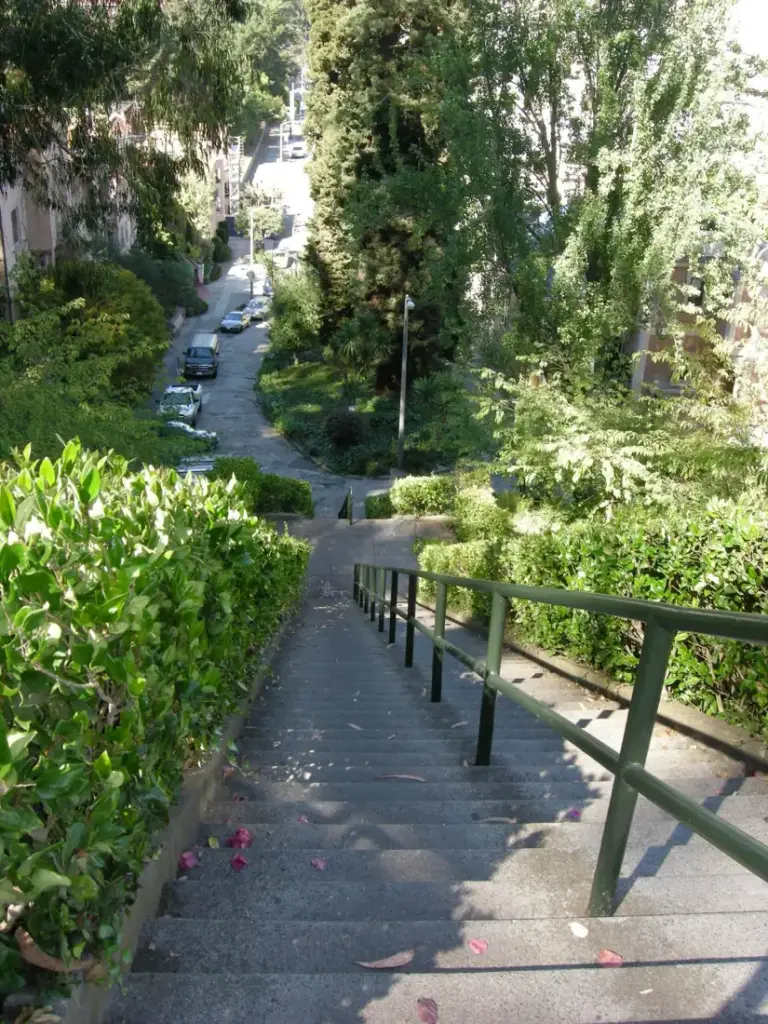
Use transit for the climb
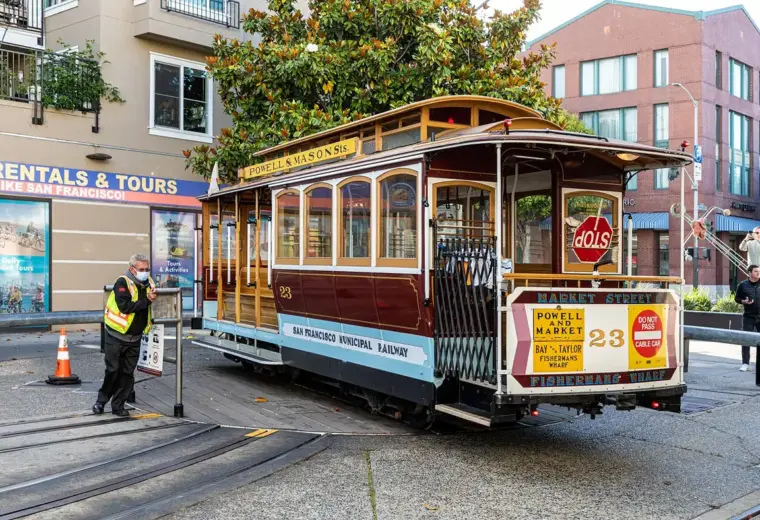
There is no prize for walking every uphill block. Check the SFMTA planner for a bus or train that brings you near the higher part of your route, then decide whether a downhill walk suits your group. Downhill sections can still be demanding, particularly when they are steep or the pavement is uneven. Cable cars are an option for some itineraries, but they are not an accessible substitute for every traveler and queues can be substantial. Choose the transport that matches your needs rather than the photograph you hoped to take.
Keep a gentler alternative ready
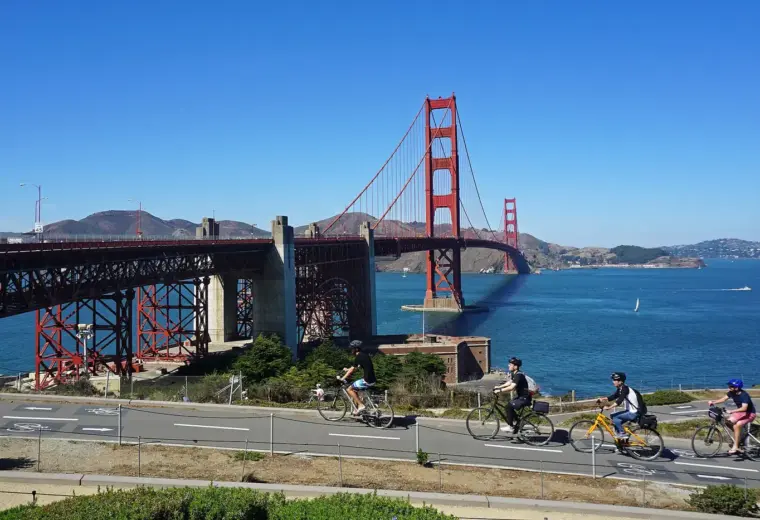
The waterfront and selected park paths can be useful alternatives to hill-heavy sightseeing, but “near the water” does not automatically mean every connecting block is level. Review the full journey, including the approach from transit. The city’s JFK Promenade offers a car-free stretch within Golden Gate Park, with places to pause and explore. It is a different kind of day from climbing a residential hill, so treat it as a worthwhile plan of its own rather than a consolation route.
Build breaks into the route
Choose a rest stop before everyone is tired. A café, public seating area, or planned museum visit can divide a walk into manageable sections. Carry water and a layer, and keep your bag light enough that you can comfortably manage steps and transit. Fog and wind can make a long outdoor stop feel different from the sunny block you left behind. Reassess the route after the first climb; adjusting the plan early is easier than solving a return journey when the group has already run out of energy.
Pay attention at streets and stairways
Use marked crossings and pedestrian signals, and give yourself time rather than trying to beat traffic. Watch for vehicles turning across your path and for bicycles where routes intersect. On stairways, leave room for other users and avoid blocking landings while taking photographs. Residential steps and viewpoints sit close to people’s homes, so keep voices moderate and stay within public access areas. If the route looks closed or unsafe, turn around and use the signed alternative instead of trying to force the original itinerary.
Finish near a useful connection
End the walk where you can reach transit, a meal, or your accommodation without another unplanned climb. Check the return direction and stop location before setting out, particularly for an evening outing. An easy finish makes it more tempting to explore again tomorrow. Save the hill you did not reach for another day. San Francisco is easier to appreciate as a collection of distinct walks than as one long endurance route across every landmark on a checklist.
Keep exploring
Combine a walk with our cable car guide, or browse the Getting Around archive for other ways to connect your day.