Muni and BART both appear on San Francisco station signs, but they solve different travel problems. Muni is the useful starting point for moving around city neighborhoods. BART provides regional rail connections and serves several stops within San Francisco. The right choice comes from your exact starting address, destination, and travel time, rather than a rule that one system is always faster. A little planning makes the difference between an easy transfer and a long walk uphill.
Start with the trip, then choose the system
Enter the actual address into an official trip planner. A neighborhood name is often too broad: the best stop for the eastern edge of Golden Gate Park may be quite different from the best stop for Ocean Beach. Notice the walking portion at both ends, the number of transfers, and the arrival time. For a timed museum booking, allow room for a missed connection. If the suggested journey saves only a few minutes but adds another transfer, a direct route may be the more relaxing choice.
Use Muni to connect city neighborhoods
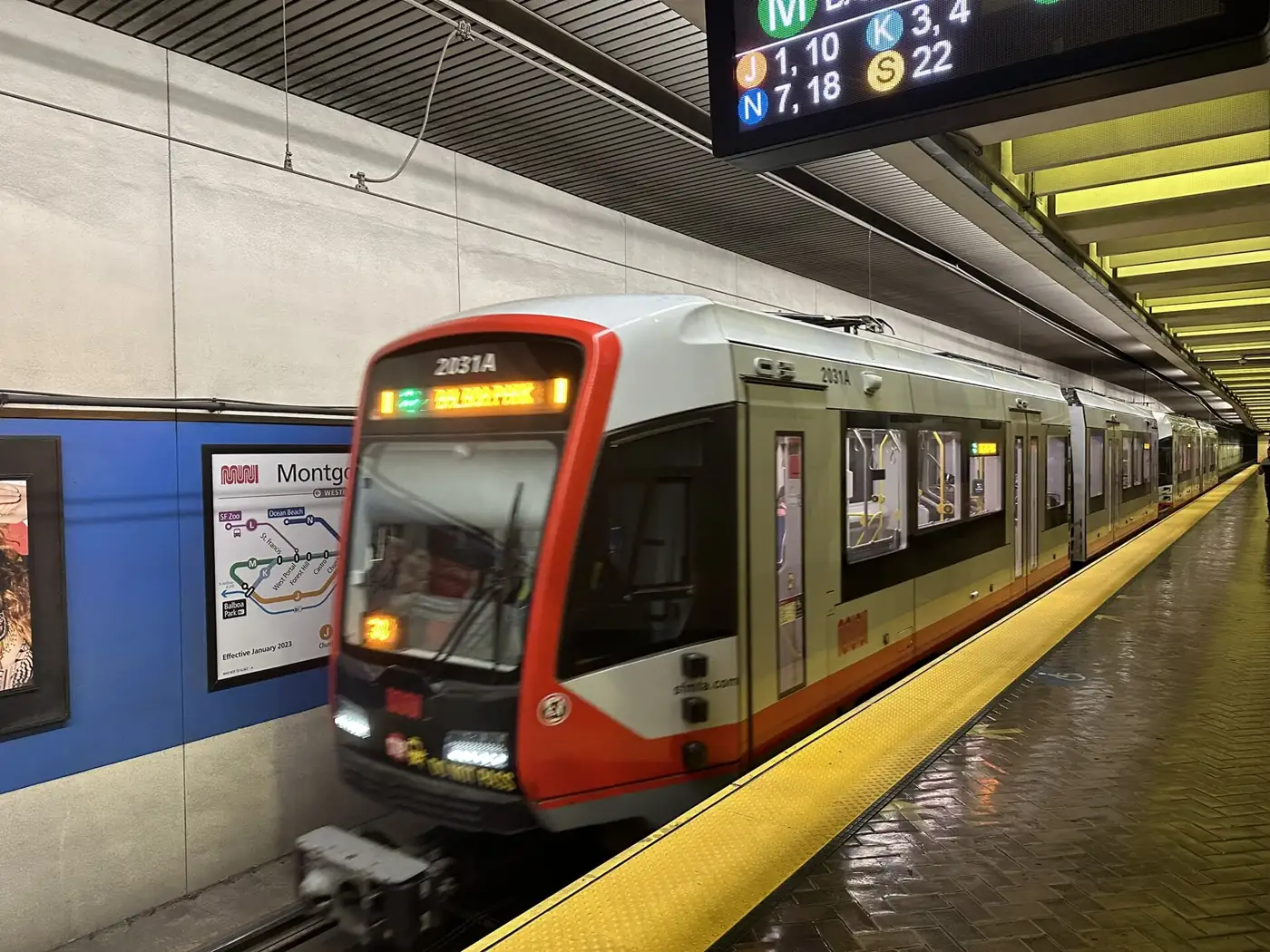
Muni includes buses, Muni Metro trains, historic streetcars, and cable cars. Those vehicle types are part of the local transit picture, but they do not all have identical ticket rules. For an ordinary neighborhood outing, begin with the bus or Metro route shown by the SFMTA planner. Check the line letter or number and its direction before boarding. The same street can have stops for different services. A stop on the opposite side of the road may send you away from your destination.
Use BART for regional rail journeys
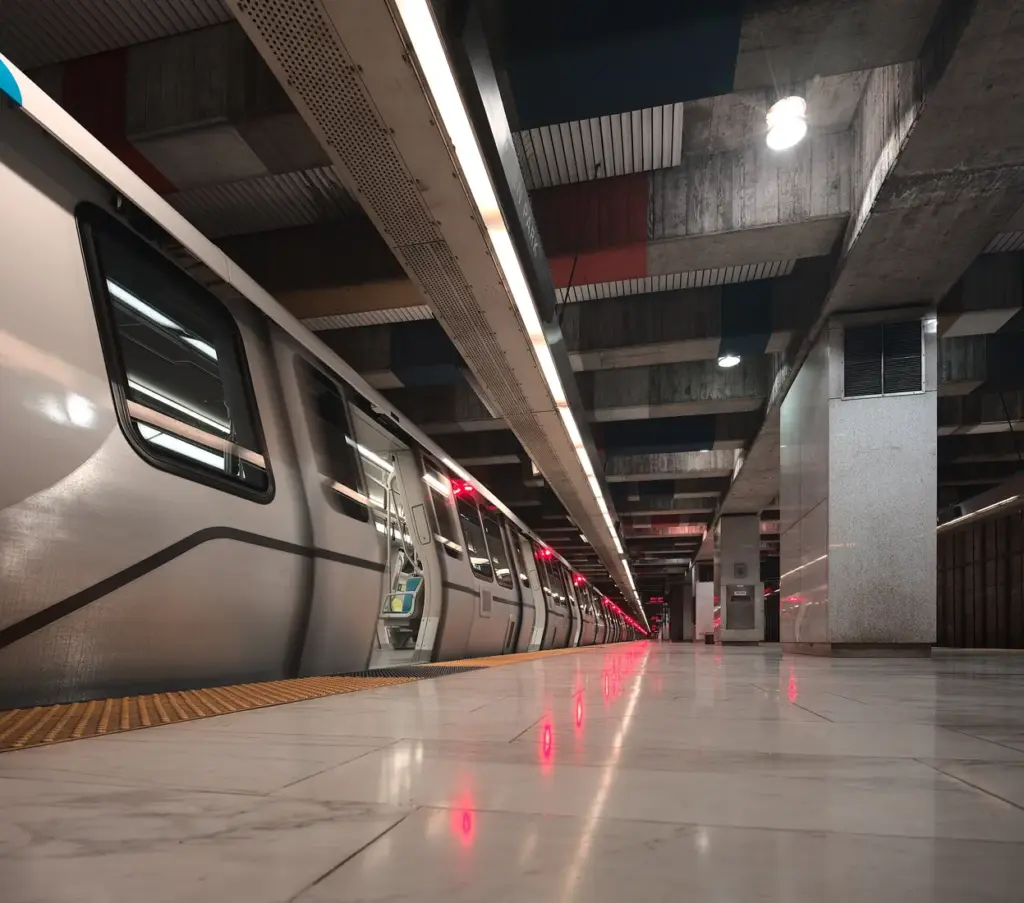
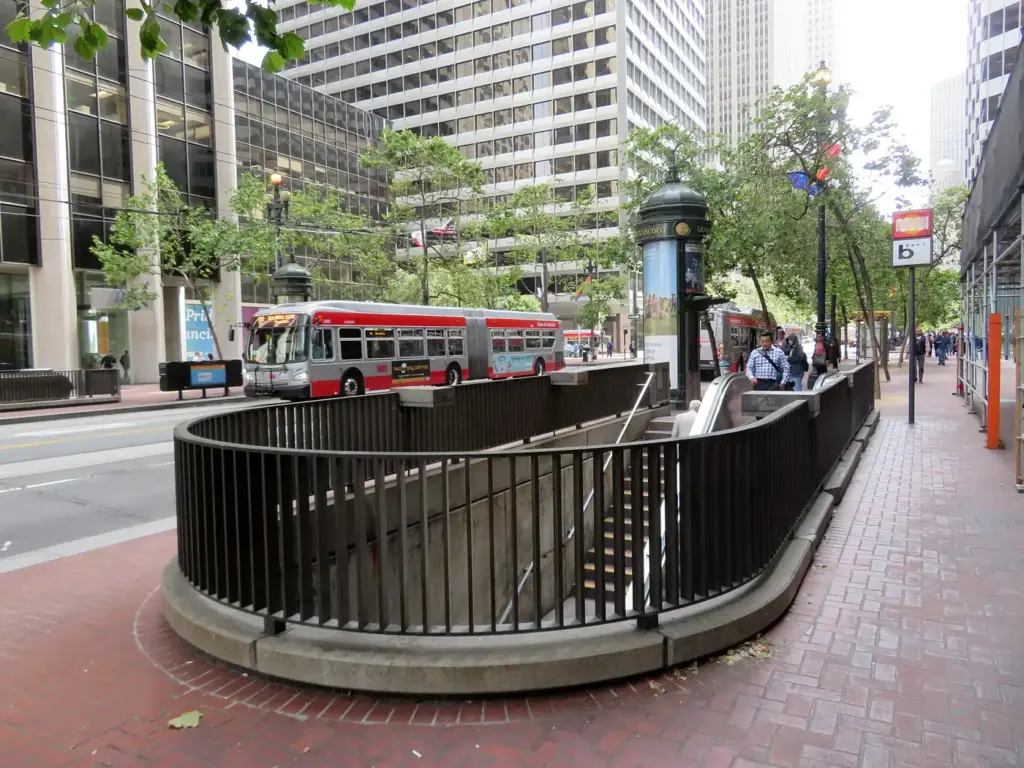
BART connects San Francisco with destinations elsewhere around the Bay, including the East Bay and San Francisco International Airport. Read the destination on the train display, not simply the platform name. Some journeys involve changing trains, and schedules differ by day. A downtown San Francisco station can provide access to both BART and Muni Metro, but the systems have separate platforms and fare arrangements. Follow the signs for the service you intend to use rather than assuming every train downstairs goes to the same places.
Understand payment before boarding
Review SFMTA’s payment and boarding instructions and BART’s current fare options before leaving. Clipper is useful across agencies, but using one payment method does not mean every ride is included in a single fare. Pass coverage and transfer discounts depend on the product and journey. Keep your phone charged if it holds your payment method. For BART, use the same card or device throughout the trip, following the entry and exit instructions for that payment option.
Make transfers less stressful
Save your destination and return route before entering a station. At a shared station, leave time to find the correct level and gate. When transferring to a surface bus, check which intersection and side of the street the planner specifies. Resist the temptation to follow the largest crowd; those riders may be going somewhere else. If a connection is missed, look at the next departure before abandoning the plan. A short wait can be easier than an improvised walk across unfamiliar hills.
Build accessibility and luggage into the plan
A route that looks quick on a map may involve elevators, escalators, a long platform, or a sloped walk. Consult agency accessibility information and elevator status if those features matter to your trip. Leave extra time when traveling with luggage, a stroller, or a group. Keep bags clear of aisles and doors, and let passengers exit before boarding. If you need help with a station or vehicle, ask an agent or operator before you commit to a movement that feels uncertain.
Check the return journey separately
Do not assume the ride home is a mirror image of the outward trip. The last convenient service, weekend work, and evening connections can change your options. Before dinner or an event, save a return itinerary and a sensible alternative. Check agency alerts again shortly before leaving. For a full day, group nearby stops together so transit connects clusters rather than every individual café or shop. The result is usually a calmer itinerary with more time spent in the city itself.
Keep exploring
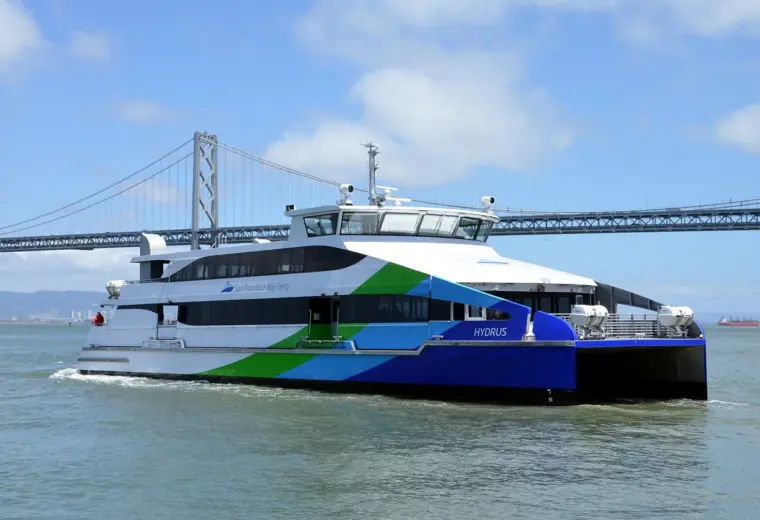
Planning a scenic ride as well as practical transport? Read our cable car guide or compare the waterfront options in our San Francisco ferry guide.