A ferry can be both transportation and the most memorable part of a Bay Area day trip. The challenge is choosing the correct operator, departure terminal, and return sailing. “The San Francisco ferry” is not one route or one ticket. Start with your destination, then work backward through the official timetable. Once those details are settled, the trip becomes simple: arrive with time to find the gate, bring a layer for the water, and leave enough room in the day to enjoy both shores.
Match the operator to the destination
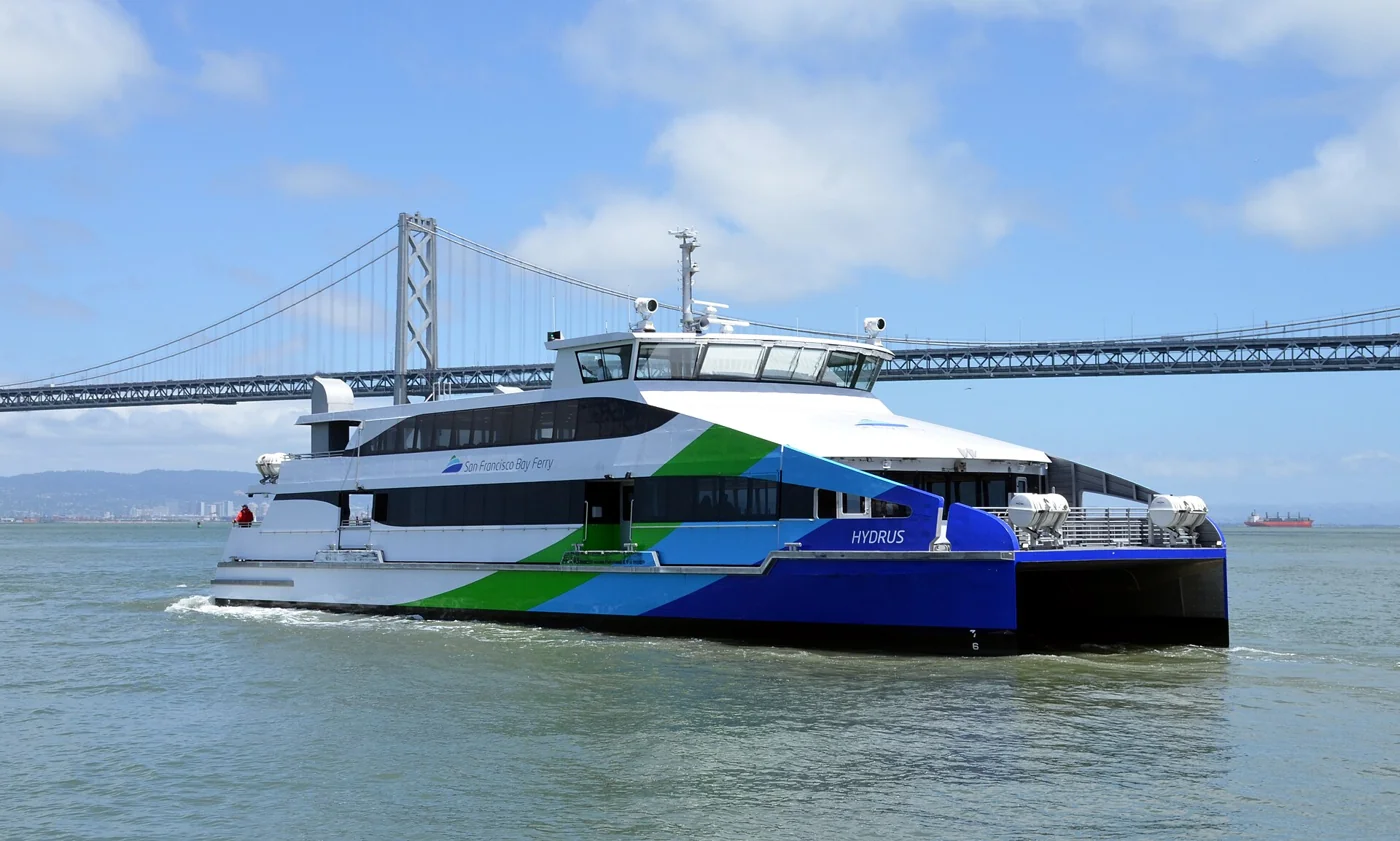
Golden Gate Ferry and San Francisco Bay Ferry operate different networks. Golden Gate’s routes include Marin destinations such as Sausalito and Angel Island. San Francisco Bay Ferry serves East Bay destinations including Oakland and Alameda. Other operators run additional services, so a ticket or departure you see in an advertisement may belong to a different company. Use the operator named on the exact route page. Check the departure location as well as the city name, because waterfront terminals are not all interchangeable.
Read the whole timetable
Look at your travel date, day of the week, direction, and any footnotes. A convenient outbound sailing does not automatically create a convenient day trip. Find a preferred return and an earlier fallback before buying anything. If a route includes an intermediate stop, account for that in your plan. Avoid arranging dinner or a timed attraction immediately after the boat arrives; docking, disembarking, and walking away from the terminal all take time. Save a screenshot of the relevant timetable, then check alerts again before travel.
Give yourself time at the waterfront
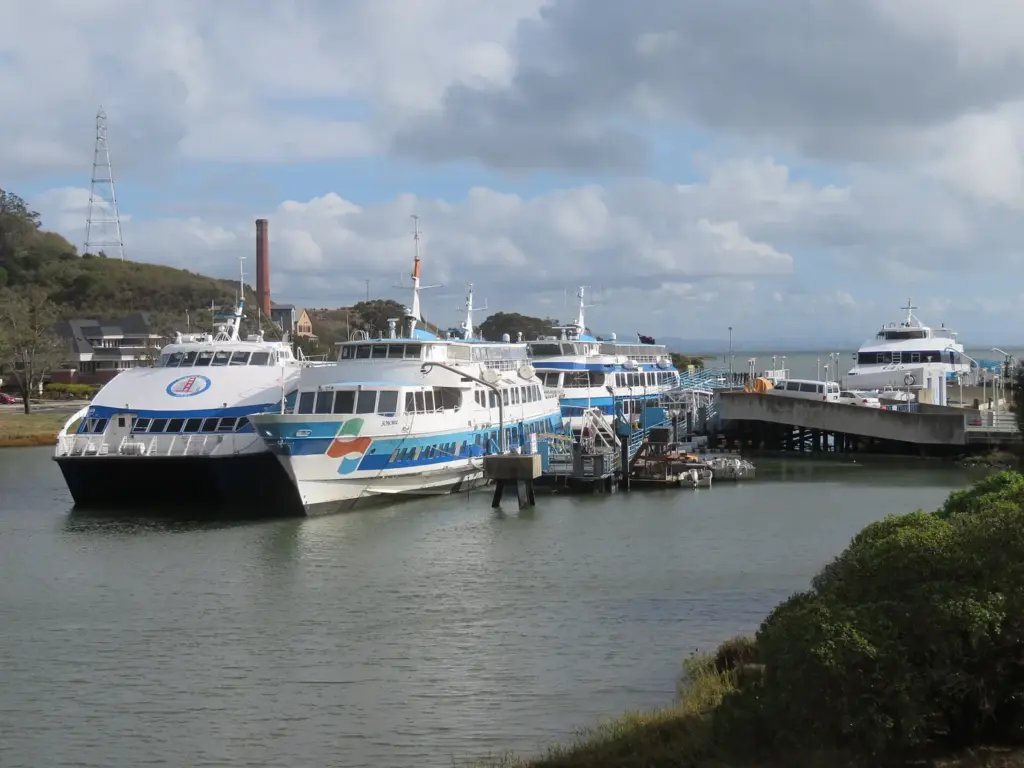
The Ferry Building is a useful landmark, but knowing its location is only the beginning. Find the gate shown by your operator and confirm the destination on the departure display. The terminal can be busy with commuters, visitors, and people walking along the Embarcadero. Arrive early enough to resolve a ticket question without rushing. Keep your group together until everyone understands the boarding point. If you stop for food first, set a departure time for the café that includes the walk back to the gate.
Review tickets, reservations, and boarding rules
Fare methods and reservation arrangements vary by route. Some services use first-come boarding, while particular trips or operators may have different booking rules. Read the ticket terms rather than assuming a purchase guarantees a place on any sailing. Check age-based fares, bike arrangements, and whether your payment method needs to be tagged when boarding, leaving, or both. If you use a phone for tickets, keep enough battery for the return. A screenshot of a purchase confirmation may not substitute for the actual valid ticket.
Make the crossing comfortable
Bring a layer that can handle wind even when the city feels warm. Choose a seat or viewing position without blocking access routes, and follow crew instructions about outdoor areas. Keep loose items secure before stepping outside. For families, agree on a meeting point onboard and supervise children around doors and railings. If mobility needs affect your trip, review the operator’s accessibility information and contact them about your specific terminal and sailing. It is better to resolve boarding questions before arriving at a busy gate.
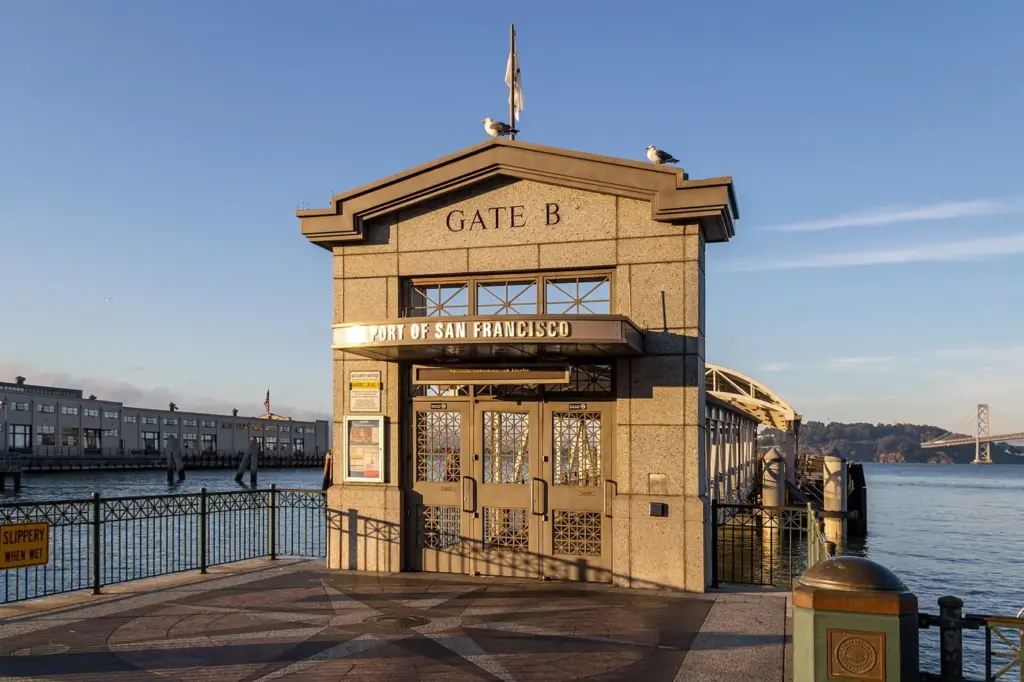
Pick a destination with a realistic shore plan
Sausalito suits a waterfront walk and a meal. Oakland’s Jack London Square places you near the estuary, public spaces, and dining. Angel Island is different: it is a park visit with walking distances, terrain, limited services, and a return boat you must not miss. Choose one main activity at the destination instead of treating the ferry as a way to collect several towns. If you bring a bicycle, include the ride back to the terminal and any queue or capacity rule in your timing.
Keep a return buffer
Set a time to turn back before you leave the terminal area. An unfamiliar hillside, a long restaurant wait, or a missed path can consume the margin you thought you had. For island trips, the final boat should not be your casual backup plan. For mainland destinations, understand the alternative transit route before relying on it. Check live notices if wind, mechanical problems, or special events may affect service. A relaxed crossing home is a better finish than trying to negotiate a new route at the last minute.
Keep exploring
Choose a shore itinerary with our Sausalito day trip, Oakland waterfront outing, or Angel Island planning guide.